
Completing a diploma or degree in mechanical engineering often feels like reaching the finish line. After years of lectures, assignments, practical exams, and semester tests, many students believe the difficult part of their journey is finally over. With a certificate in hand, it is easy to assume that finding employment in a government or private organization will happen quickly. Unfortunately, that expectation doesn’t always match reality.
Across the country, thousands of fresh graduates step into interviews with confidence, only to face a question they hadn’t truly prepared for: “Do you have any industry experience?”
Most students answer honestly. They have learned engineering concepts, completed academic projects, and passed examinations with good grades. Yet many interviewers continue searching for something beyond classroom knowledge. They want candidates who understand workplace practices, can adapt to industrial environments, and are capable of contributing from the very beginning.
This experience is far more common than many students realize. Every year, talented graduates with excellent academic records struggle to secure their first opportunity because industries expect more than theoretical knowledge. Employers value candidates who combine technical understanding with practical exposure, communication skills, and confidence in handling real-world challenges.
Fortunately, these are qualities that can be developed before entering the workforce.
The Industrial Sector Has Changed Significantly
The industrial sector today is very different from what it was a decade ago.
Every building under construction, every highway connecting cities, every manufacturing unit producing consumer goods, every refinery, power plant, and processing facility depends on skilled engineering professionals working behind the scenes. Industries continue to expand, adopt newer technologies, and implement higher quality standards to remain competitive.
This growth creates exciting opportunities for aspiring engineers.
However, it also raises employer expectations. While academic qualifications remain important, organizations increasingly prefer candidates who demonstrate practical understanding alongside technical knowledge. A degree may help a candidate receive an interview invitation, but practical skills often determine who ultimately receives the job offer.
Why Many Fresh Graduates Struggle During Interviews
Engineering colleges provide students with a strong academic foundation. They introduce important concepts, encourage analytical thinking, and prepare students for examinations and projects. These are essential aspects of technical education.
However, many graduates discover that interview questions extend beyond textbooks.
Recruiters frequently ask questions such as:
- Have you worked with industrial drawings?
- Are you familiar with quality control procedures?
- Have you seen manufacturing equipment in operation?
- Can you understand workplace documentation?
- Have you been exposed to industrial safety practices?
For many fresh graduates, answering these questions confidently becomes difficult because their learning has largely remained inside classrooms.
Once students understand what employers actually expect, they can begin preparing more effectively for industrial careers.
Learning Beyond Academic Syllabuses
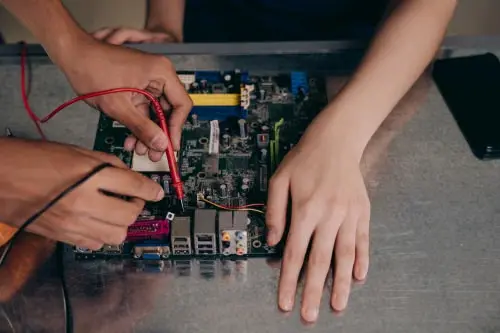
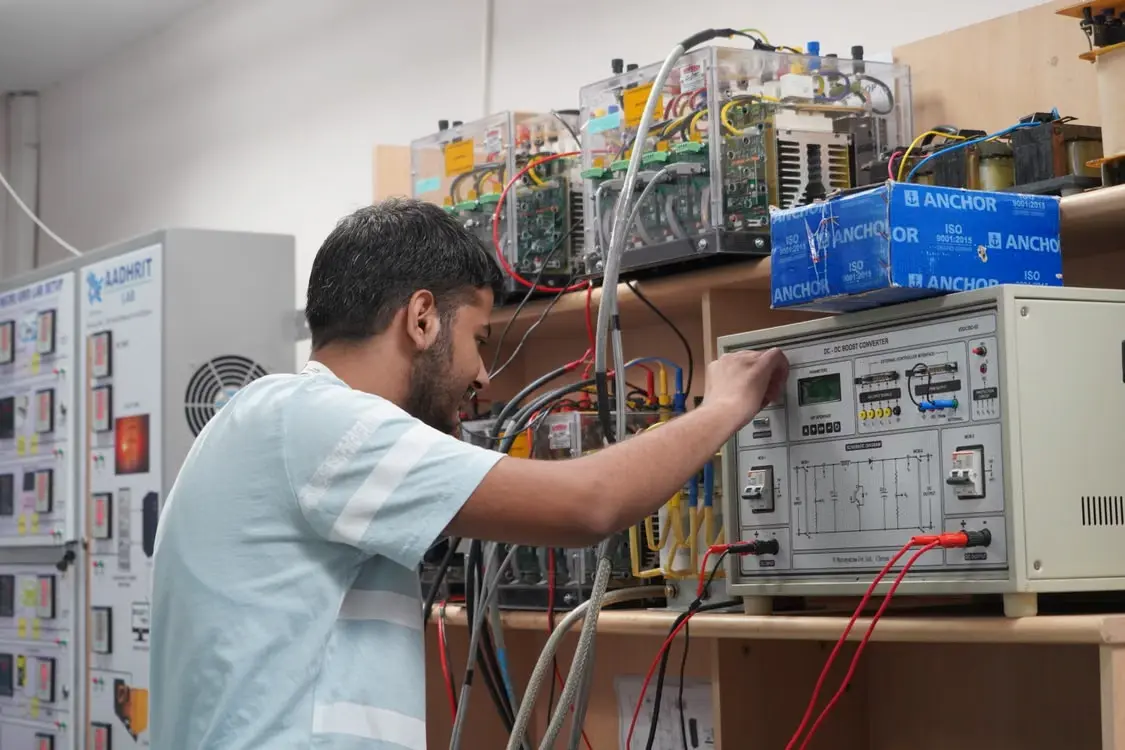
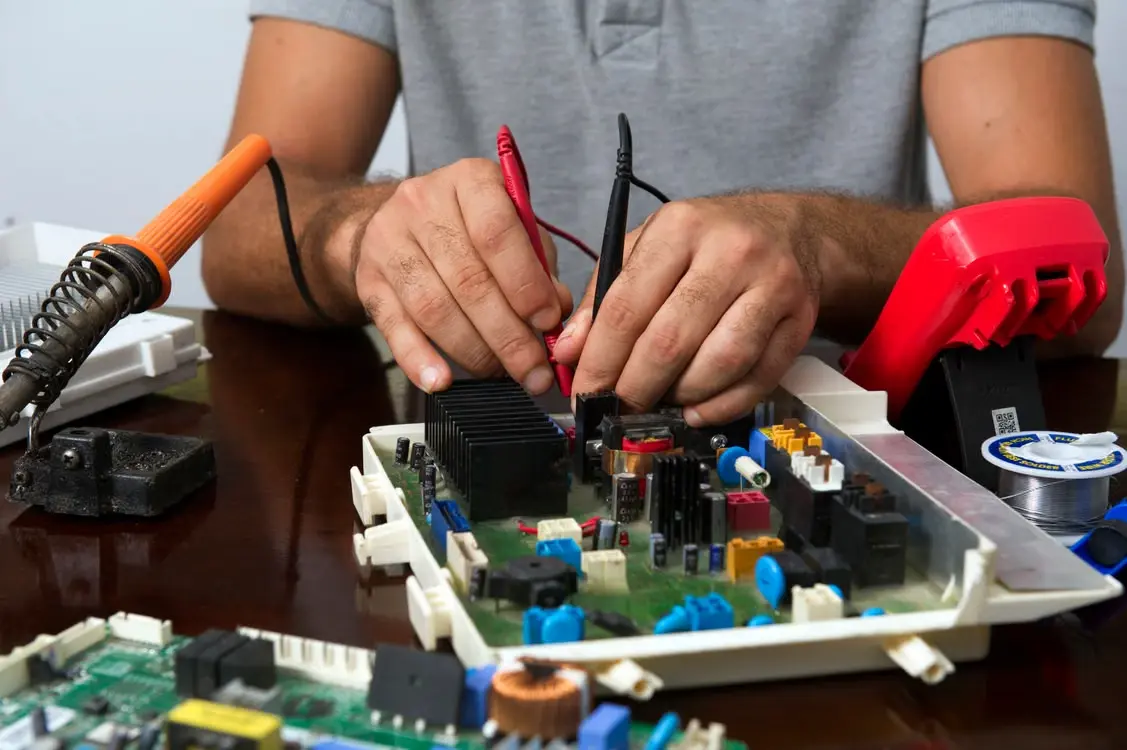
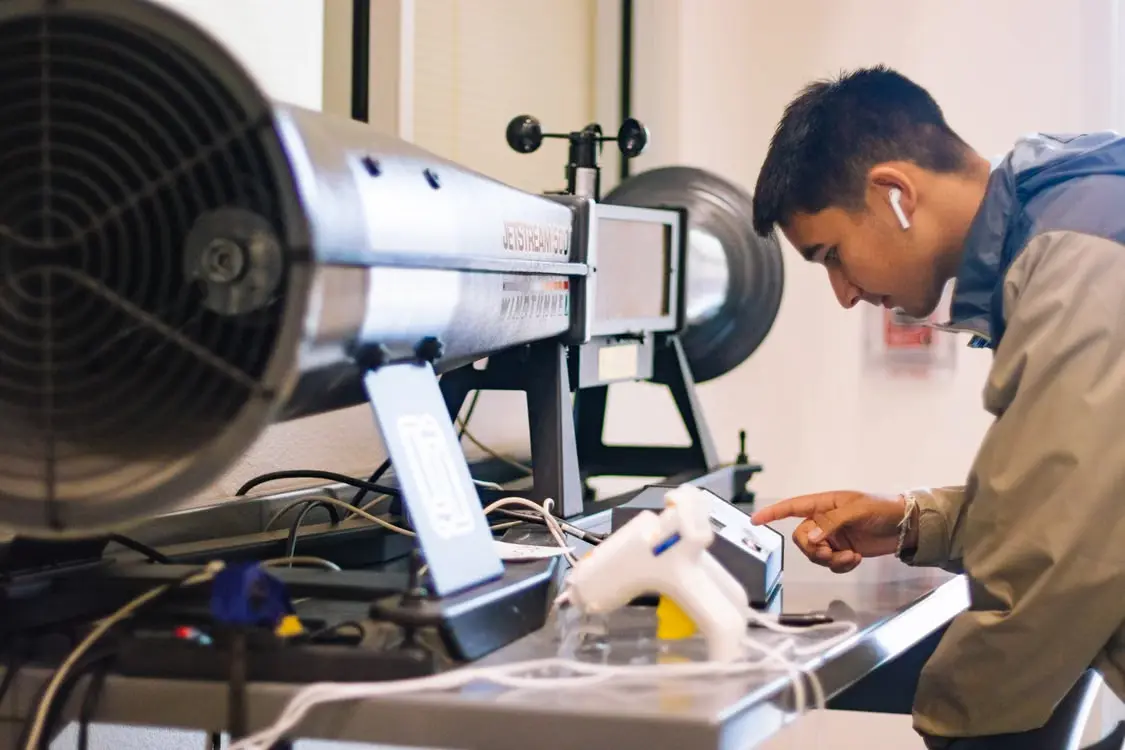
One of the smartest investments students can make during or after their studies is gaining practical exposure.
Across India, numerous technical institutes provide industry-oriented training designed to complement classroom education. Cities such as Chennai, Pune, Hyderabad, Bengaluru, and Delhi have long been recognized for technical learning. In recent years, several Industrial training institutes in Kerala have also earned recognition for offering practical learning opportunities that prepare students for industrial careers.
The biggest advantage of such training lies in application rather than memorization.
Students learn how engineering principles function inside actual workplaces instead of only understanding them through textbooks.
Industrial documentation, quality procedures, equipment handling, safety standards, inspection practices, teamwork, and workplace discipline become familiar concepts through practical exposure.
This experience helps transform theoretical understanding into professional confidence.
Practical Knowledge Creates Better Job Opportunities
Imagine two candidates applying for the same engineering position.
Both possess similar academic qualifications.
Both have completed mechanical engineering successfully.
During the interview, one candidate explains concepts exactly as they appear in textbooks.
The second candidate not only explains the concepts but also relates them to industrial situations, discusses practical observations, and demonstrates familiarity with workplace procedures.
Most employers naturally prefer the second candidate.
The difference isn’t intelligence.
The difference is exposure.
Recruiters understand that fresh graduates cannot know everything about industrial operations. They do, however, appreciate curiosity, adaptability, and the willingness to learn quickly. Candidates who possess practical understanding often find it easier to communicate technical ideas, answer scenario-based questions, and demonstrate confidence during interviews.
These qualities significantly improve employability.
Looking Beyond the First Appointment Letter
Many students focus entirely on securing their very first job.
While that milestone is important, successful careers are built over many years rather than through a single appointment letter.
The industrial sector rewards consistency, learning, and experience.
Engineers who continuously improve their knowledge gradually move into positions involving supervision, inspection, project coordination, quality management, planning, and leadership.
This makes continuous learning one of the greatest advantages an engineering professional can have.
Instead of asking, “How can employment be secured quickly?” students may benefit more from asking, “How can long-term career growth be achieved?”
The second question usually leads to better decisions.
Why Piping Engineering Continues to Attract Students
Consider a refinery, pharmaceutical facility, thermal power plant, or chemical processing unit.
At first glance, large towers, heavy machinery, and massive structures capture attention.
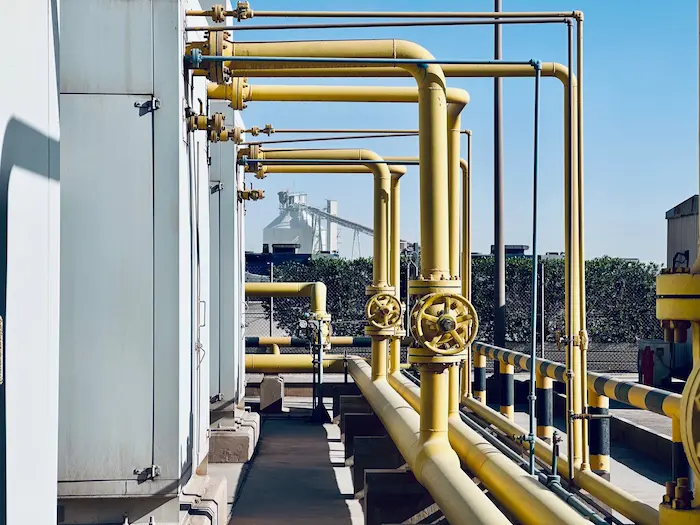
Looking more closely reveals something equally important, an extensive network of pipelines connecting every section of the plant.
These pipelines are carefully designed to transport fluids, gases, chemicals, steam, and other materials safely and efficiently.
Designing such complex systems requires skilled piping engineers.
Today, piping engineering remains one of the most promising specializations within mechanical engineering because almost every major industrial sector depends on efficient piping systems.
Oil and gas, petrochemicals, pharmaceuticals, food processing, water treatment, manufacturing, power generation, and heavy engineering industries all require qualified piping professionals.
For this reason, many students choose a Piping Engineering Course in Kochi to strengthen their understanding of industrial piping systems and prepare themselves for specialized careers. The city has emerged as a preferred destination for technical education because students receive opportunities to develop both theoretical knowledge and practical skills required by modern industries.
A Piping Engineering Course helps students to understand piping layouts, material selection,design principles, isometric drawings, industrial standards and project documentation. More importantly, it helps students understand how these concepts are applied within real industrial projects.
Such specialization opens doors to careers involving piping design, layout engineering, material management, project execution, and industrial planning.
Skills That Employers Appreciate Most
Technical expertise forms only one part of professional success.
Employers also value candidates who demonstrate qualities such as effective communication, teamwork, discipline, analytical thinking, adaptability, and problem-solving.
Industrial projects involve collaboration among multiple departments, making interpersonal skills equally important alongside technical competence.
Students who actively participate in practical learning environments often develop these qualities naturally because they experience situations that require responsibility, observation, documentation, and teamwork.
These skills continue benefiting professionals throughout their careers.
Choosing the Right Training Institute
Selecting a training institute deserves careful thought because it influences both learning and career preparation.
Rather than choosing solely based on advertisements or popularity, students should evaluate factors such as experienced trainers, practical laboratory facilities, industrial exposure, placement assistance, infrastructure, and curriculum relevance.
Speaking with alumni, reading reviews, visiting campuses, and understanding placement support can provide valuable insights before making a decision.
Questions regarding industry partnerships, practical sessions, instructor qualifications, and project-based learning should always be considered.
After all, technical education represents an investment in one’s future.
Small Decisions Often Shape Great Careers
Career growth rarely depends on one major breakthrough.
Instead, it develops through a series of thoughtful decisions made consistently over time.
Many successful engineers began exactly where today’s students stand with academic knowledge, uncertainty about the future, and hopes of building rewarding careers.
The difference often lies in how they prepared themselves after graduation.
Students who invest time in practical learning, understand industry expectations, strengthen communication skills, and continuously improve their technical abilities generally enter interviews with greater confidence.
No institute, certification, or specialization can guarantee employment.
However, practical exposure certainly increases preparedness.
As industries continue evolving, organizations will always seek professionals who are willing to learn, adapt, and contribute effectively from their first day at work.
Building those qualities begins long before the first appointment letter arrives.
Every engineering career starts with a single opportunity, but long-term success depends on the skills developed before and after that opportunity. Students who combine academic excellence with practical experience place themselves in a much stronger position to grow, progress, and build meaningful careers within the industrial sector. The journey extends far beyond the classroom, and every step taken toward continuous learning becomes an investment in a successful future.
