

Every functioning building whether it’s a hospital, a shopping mall, a residential tower, or an industrial facility relies on a set of interconnected systems working invisibly behind walls and above ceilings to keep it running. MEP engineering is the discipline responsible for designing, installing, and maintaining these systems. If you’re new to the term and wondering what it actually involves, here’s a complete beginner’s breakdown.
Breaking Down the Acronym
MEP stands for Mechanical, Electrical, and Plumbing three distinct but deeply interconnected engineering disciplines that together make a building livable, safe, and functional.
Mechanical systems primarily refer to heating, ventilation, and air conditioning (HVAC), which controls indoor temperature, humidity, and air quality. This includes chillers, air handling units, ductwork, and ventilation systems designed to keep occupants comfortable and meet air quality standards.
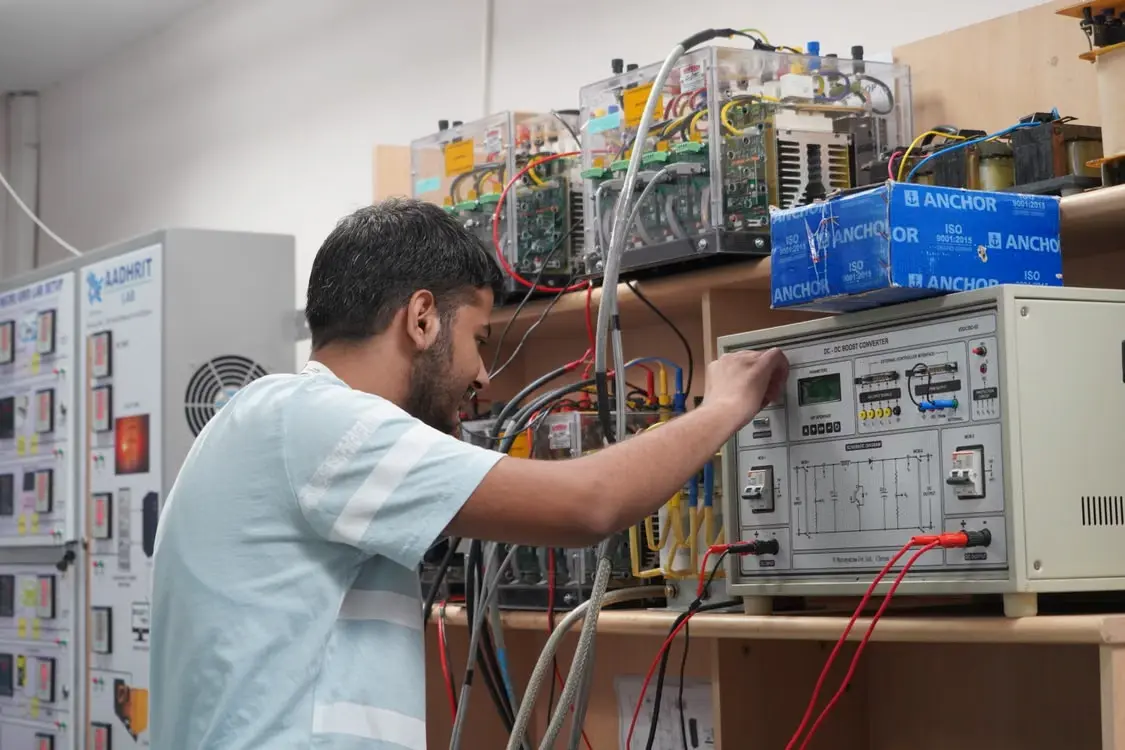
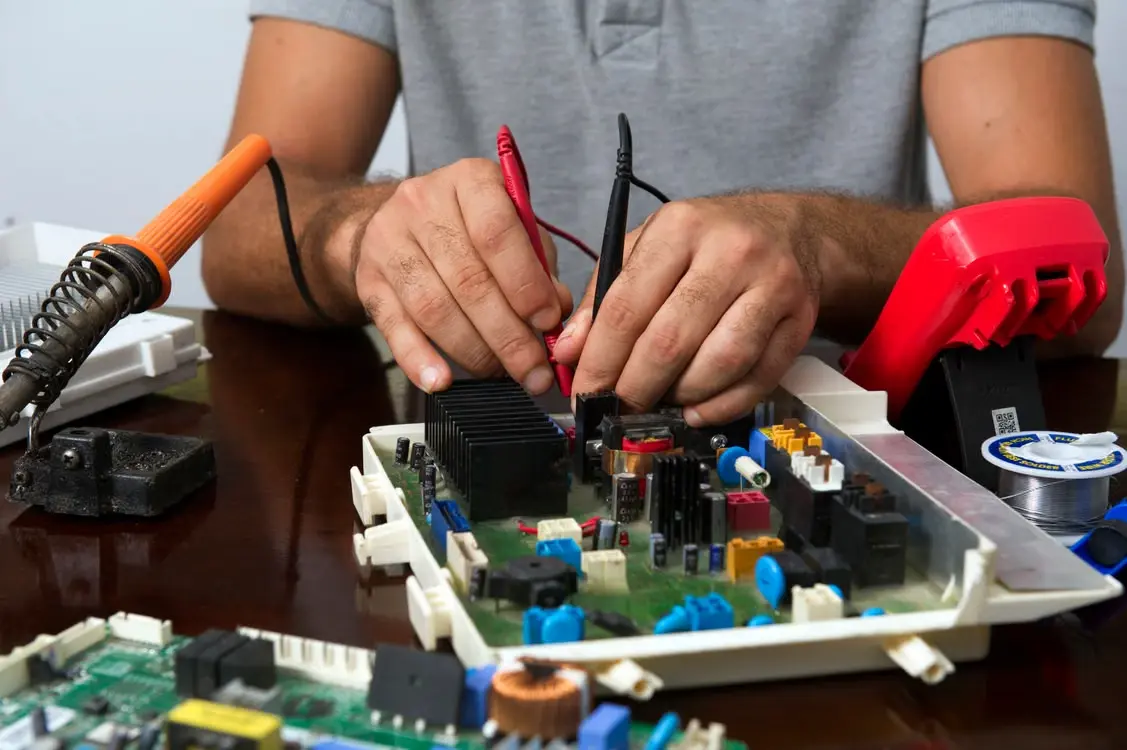
Electrical systems cover power distribution throughout a building, including transformers, switchgear, panel boards, lighting design, emergency power systems, fire alarm systems, and low-voltage systems like building automation and security infrastructure.
Plumbing systems handle the supply of clean water, the removal of wastewater, and often extend to fire protection systems (sprinklers, fire hydrants) and drainage design, ensuring both everyday functionality and life-safety compliance.
Why These Three Disciplines Are Grouped Together
While mechanical, electrical, and plumbing are technically distinct engineering fields, they’re grouped together as “MEP” because their design and installation are deeply interdependent within a building. HVAC systems need electrical power to run; plumbing systems often interact with mechanical systems (like chilled water piping for cooling); electrical systems need to account for the space taken up by ductwork and pipe runs when routing cable trays and conduits. Coordinating these systems together rather than designing each in isolation prevents costly clashes and inefficiencies during construction, which is why MEP is typically treated as a unified engineering discipline in the construction industry.
What MEP Engineers Actually Do
An MEP engineer’s work spans the full lifecycle of a building project:
Design phase. MEP engineers develop detailed drawings and specifications for HVAC, electrical, and plumbing systems, calculating loads (cooling loads, electrical demand, water flow requirements) and selecting appropriately sized equipment to meet those loads efficiently.
Coordination phase. Since MEP systems physically compete for space with structural elements and each other, engineers use coordination drawings increasingly through 3D modeling to identify and resolve clashes before construction begins.
Construction support. MEP engineers review shop drawings from contractors, respond to site queries, and verify that installed systems match design intent and applicable codes.
Testing and commissioning. Before a building is handed over, MEP systems need to be tested and commissioned HVAC systems balanced for correct airflow, electrical systems tested for safety compliance, plumbing systems pressure-tested for leaks to confirm everything performs as designed.
Codes and Standards That Govern MEP Work
MEP engineering is heavily regulated because these systems directly affect occupant safety and health. Depending on the region and building type, engineers work within frameworks such as national building codes, fire and life safety codes, and international standards like ASHRAE (for HVAC), NFPA (for fire protection and electrical safety), and local plumbing codes. Understanding these codes isn’t optional ; non-compliant MEP design can result in unsafe buildings, failed inspections, and significant project delays.
Why MEP Engineering Matters More Than Ever
Modern buildings are increasingly complex, with tighter energy efficiency requirements, more sophisticated automation systems, and higher expectations for occupant comfort and safety. This has expanded the scope of MEP engineering considerably. Today’s MEP engineers often need to understand energy modeling, building automation systems, sustainable design principles, and increasingly, how MEP systems integrate with smart building technology. This growing complexity has also increased demand for skilled MEP professionals across construction, real estate development, healthcare infrastructure, and industrial facilities.
Skills Needed to Work in MEP Engineering
A career in MEP engineering typically requires:
- A foundational understanding of thermodynamics (for HVAC design), electrical theory (for power distribution and lighting design), and fluid mechanics (for plumbing systems)
- Proficiency in reading and producing technical drawings, including increasingly common 3D coordination models
- Familiarity with load calculation methods for HVAC, electrical, and plumbing systems
- Knowledge of relevant codes and standards for the region and building type being designed
- Strong coordination and communication skills, since MEP design requires constant interaction with architects, structural engineers, and contractors
Career Paths in MEP Engineering
MEP engineering offers diverse entry points and career trajectories. Professionals can specialize in a single discipline becoming an HVAC design engineer, an electrical design engineer, or a plumbing/fire protection engineer or build broader, generalist MEP coordination expertise. Career progression typically moves from Junior MEP Engineer or Design Engineer to Senior MEP Engineer, MEP Coordinator, and eventually MEP Manager or Project Engineer overseeing all three disciplines on large projects.
MEP engineering requires professionals to understand how different building systems work together, making practical exposure particularly valuable for those entering the field. Conztek offers industry-focused training that helps learners develop relevant technical knowledge across mechanical, electrical, and plumbing systems while building a stronger foundation for MEP-related career opportunities.
Given that MEP systems are required in virtually every type of building residential, commercial, healthcare, industrial, and infrastructure projects the field offers consistent demand and diverse industry exposure, along with strong opportunities in international markets experiencing rapid construction growth.
Getting Started in MEP Engineering
For engineering graduates and diploma holders looking to enter this field, structured, hands-on training that covers all three MEP disciplines together rather than studying them in isolation provides a significant head start, since real-world MEP work is fundamentally about coordination between these systems. A comprehensive MEP (Mechanical, Electrical, Plumbing) course is designed to build exactly this integrated understanding, combining design fundamentals with practical exposure to coordination challenges and industry documentation practices.
Final Thoughts
MEP engineering is the discipline that makes modern buildings safe, comfortable, and functional, blending mechanical, electrical, and plumbing expertise into a coordinated design and construction process. As buildings become more complex and energy-conscious, the demand for skilled MEP professionals who understand how these systems interact continues to grow, making it a genuinely promising career path for engineering graduates entering the construction and infrastructure sector.
