

Finishing a mechanical engineering degree or diploma is a milestone, but it often comes with an uncomfortable realization: classroom knowledge and job-ready skills are not the same thing. This gap is especially visible in fields like Mechanical QA/QC, where employers expect familiarity with codes, inspection techniques, and documentation systems that most academic programs barely touch on. If you’re a fresh graduate or diploma holder wondering how to break into this field, here’s a practical roadmap.
Step 1: Understand What the Role Actually Requires
Before investing time in any direction, it helps to know what a Mechanical QA/QC Engineer actually does day to day. The role involves inspecting materials and fabricated components, witnessing tests like hydrostatic and pneumatic testing, reviewing technical documentation, and ensuring that work complies with codes such as ASME, API, and ISO standards. It’s a hands-on, detail-driven job that combines technical judgment with strict adherence to procedure. If that sounds appealing, QA/QC is worth pursuing seriously rather than treating it as a fallback option.
Step 2: Identify the Gap Between Your Degree and Industry Expectations
Most mechanical engineering programs cover fundamentals thermodynamics, strength of materials, machine design but rarely go deep into welding inspection codes, NDT methods, or the specific documentation formats (ITPs, NCRs, MTCs) used on real projects. Employers hiring for entry-level QA/QC positions typically expect at least a working familiarity with:
- Reading engineering drawings, P&IDs, and isometric drawings
- Common welding processes and defect types
- Basic NDT methods such as visual inspection, dye penetrant testing, and ultrasonic testing
- Relevant codes and standards for the industry you’re targeting (oil and gas, power, manufacturing)
- Quality documentation and inspection reporting formats
If your degree program didn’t cover these areas in depth and for most students, it didn’t this is the gap you need to close before applying for jobs.
Step 3: Get Structured, Industry-Focused Training
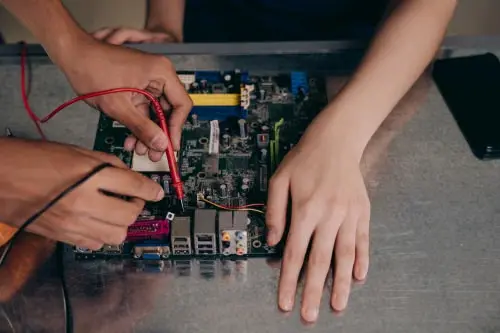
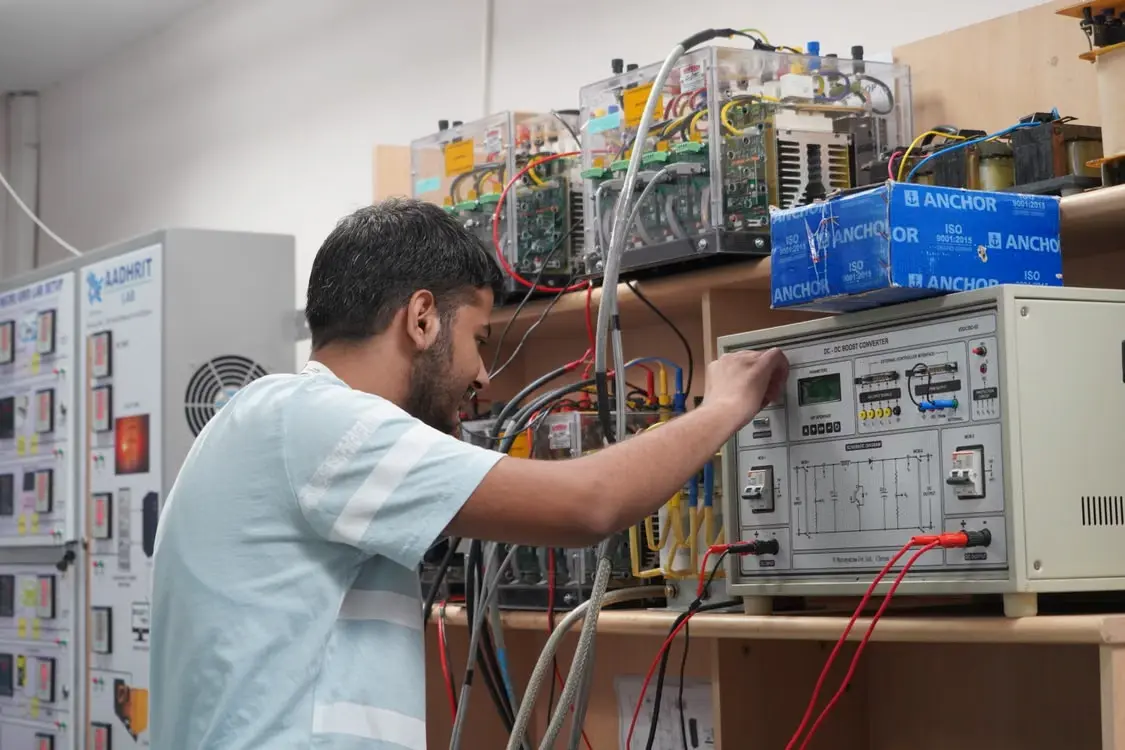
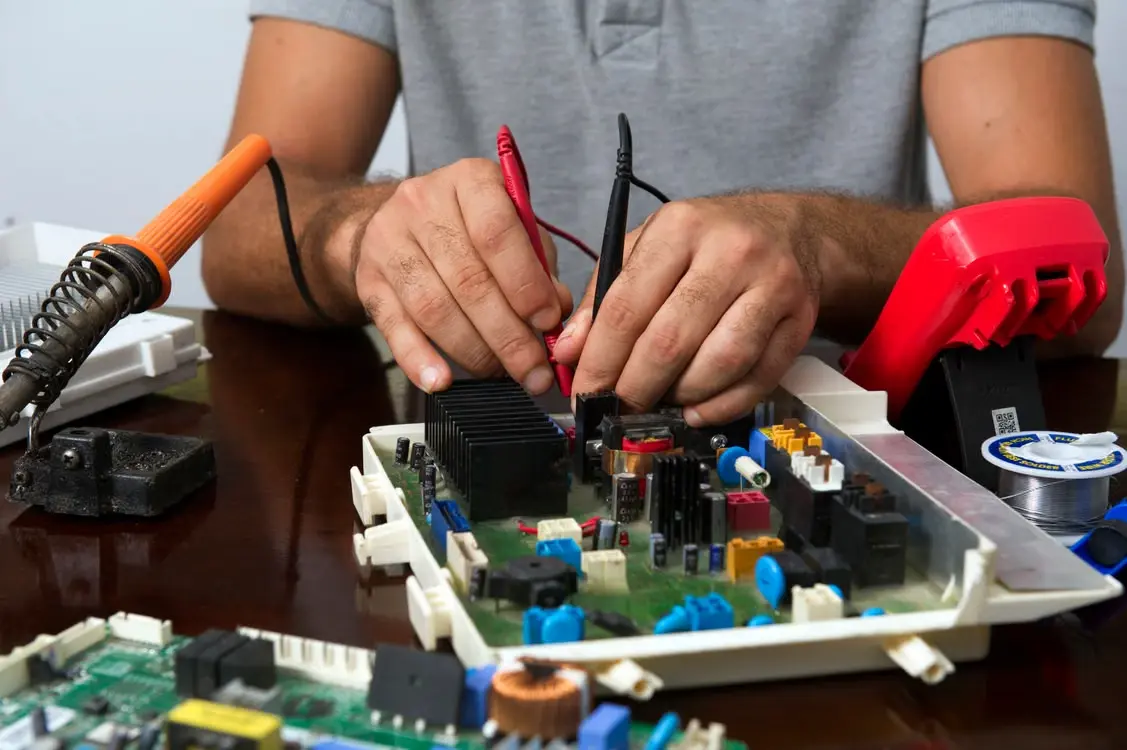
This is where a dedicated training program makes a measurable difference. Rather than trying to piece together fragmented knowledge from online videos and outdated textbooks, a structured course built around industry requirements can compress months of trial-and-error learning into a focused curriculum. Look for training that includes practical, hands-on components not just theory since QA/QC is fundamentally a hands-on discipline. Working with actual measuring instruments, reviewing real inspection documentation formats, and understanding how NCRs are raised and closed out will serve you far better than memorizing definitions.
A well-designed Mechanical QA/QC course typically covers welding inspection fundamentals, codes and standards, dimensional inspection techniques, and the documentation systems used across fabrication and construction projects giving fresh graduates and diploma holders a credible, job-ready skill set in a matter of months rather than years of on-the-job trial and error.
Conztek also offers a range of industry-focused courses designed to help learners develop practical skills and improve their readiness for technical careers. For graduates and diploma holders exploring different career paths, the Conztek courses provide an opportunity to build specialized knowledge alongside their academic qualifications and prepare for the expectations of the workplace.
Step 4: Build Familiarity with Codes and Standards
Codes like ASME Section IX (welding qualifications), API 570 (piping inspection), and ASME B31.3 (process piping) form the backbone of QA/QC work. You don’t need to memorize every clause, but you should understand the structure of these documents, know how to look up acceptance criteria, and be comfortable referencing them during inspections. Employers notice candidates who can speak intelligently about codes during interviews it signals that you understand the professional context of the job, not just the theory.
Step 5: Consider Complementary Certifications
Once you have foundational QA/QC training, certifications in welding inspection (such as CSWIP or AWS-CWI) or NDT methods (Level I or Level II) significantly strengthen your resume. These certifications are recognized internationally and are often prerequisites for higher-paying roles, particularly in Gulf countries where demand for certified inspectors is consistently high. Many professionals build their career by starting with a QA/QC foundation course and then layering on specialized NDT or welding inspection certifications as their career progresses.
Step 6: Apply Strategically and Be Ready for Entry-Level Titles
Fresh graduates should expect to start as a QC Inspector, Trainee QA/QC Engineer, or Document Controller before moving into broader QA/QC engineering responsibilities. Don’t dismiss these titles as beneath your qualification they’re where you build the hands-on inspection experience that senior roles require. Target companies in fabrication yards, EPC contractors, and inspection agencies, since these environments offer the highest volume of practical exposure early in a career.
When applying, tailor your resume to highlight any hands-on training, familiarity with specific codes, and exposure to inspection tools and documentation even if gained through coursework rather than employment. Employers hiring for entry-level QA/QC positions are often more interested in demonstrated readiness than years of experience.
Step 7: Think Beyond Your First Job
Mechanical QA/QC offers strong long-term career scope, including opportunities to move into senior QA/QC engineering, quality management, and international assignments, particularly in the Gulf region where oil, gas, and infrastructure projects consistently need qualified inspectors. Treat your first role as the foundation for this trajectory the inspection discipline and code knowledge you build early on will compound over your career.
Final Thoughts
Breaking into Mechanical QA/QC after engineering or diploma doesn’t require years of experience it requires closing the specific gap between what your degree taught you and what employers expect on day one. Structured, hands-on training, familiarity with codes and standards, and a willingness to start at the inspection level all combine to make that transition faster and smoother. With the right preparation, fresh graduates can move from classroom theory to confident, job-ready QA/QC professionals in a realistic timeframe.
