
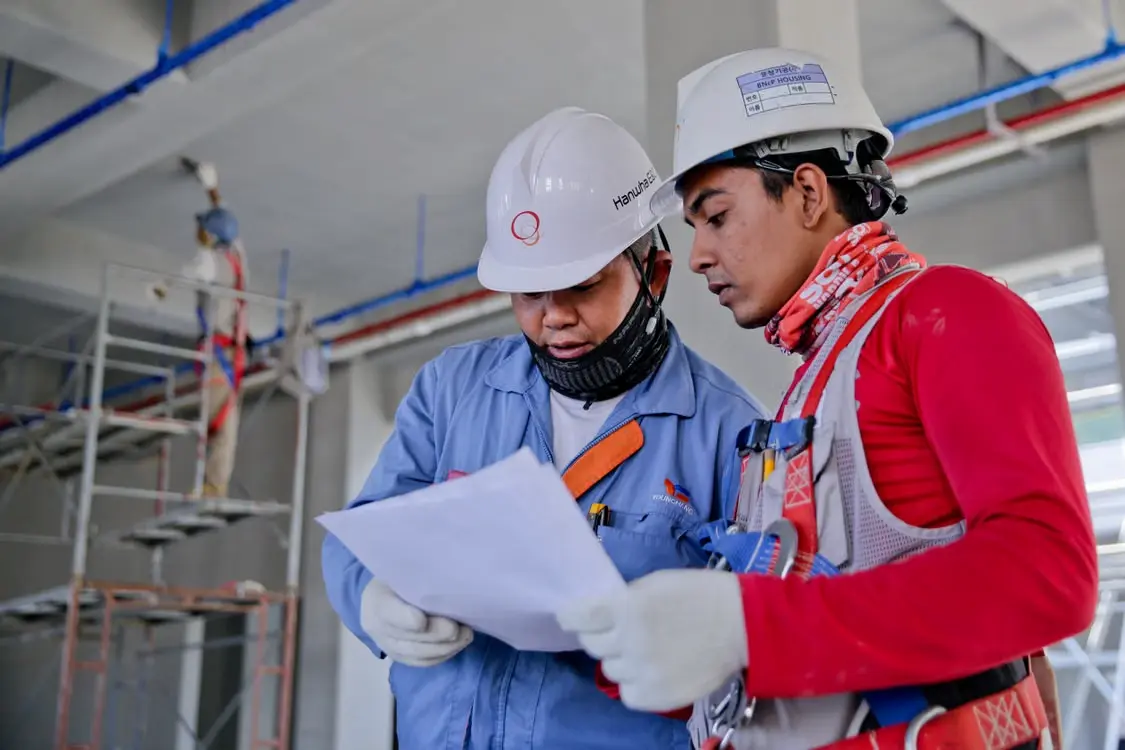
Every pump, pressure vessel, pipeline, and structural component that goes into an industrial facility has to meet strict quality benchmarks before it is put into service. Behind that assurance sits a professional who rarely gets the spotlight but carries enormous responsibility: the Mechanical QA/QC Engineer. If you have ever wondered who checks that welds are sound, that materials match specifications, and that equipment performs safely under pressure, this is the person doing that work every single day.
Understanding the Role
A Mechanical QA/QC Engineer sits at the intersection of engineering knowledge and process discipline. Their job is to make sure that mechanical equipment, piping systems, and fabricated structures are built, installed, and tested according to approved codes, client specifications, and international standards such as ASME, API, and ISO. This isn’t a desk-only role. QA/QC engineers spend a significant part of their day on the shop floor or construction site, inspecting work as it happens rather than reviewing it after the fact.
The role is often split into two closely related but distinct functions: Quality Assurance and Quality Control. Assurance is about the system making sure procedures, documentation, and processes are designed to prevent defects. Control is about the product physically inspecting, measuring, and testing the actual equipment or weld to confirm it meets the standard. A well-rounded Mechanical QA/QC Engineer understands and operates within both halves of this equation.
Core Responsibilities
The day-to-day responsibilities of a Mechanical QA/QC Engineer typically include:
Reviewing technical documentation. Before any fabrication begins, QA/QC engineers study drawings, specifications, and material test certificates to confirm that the project scope aligns with the client’s requirements and applicable codes.
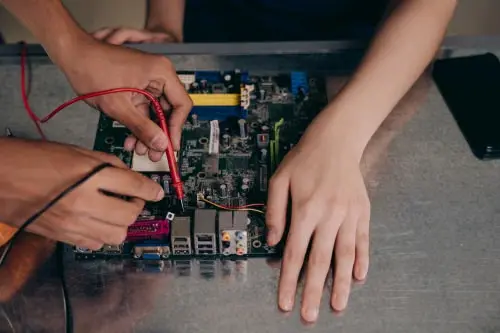
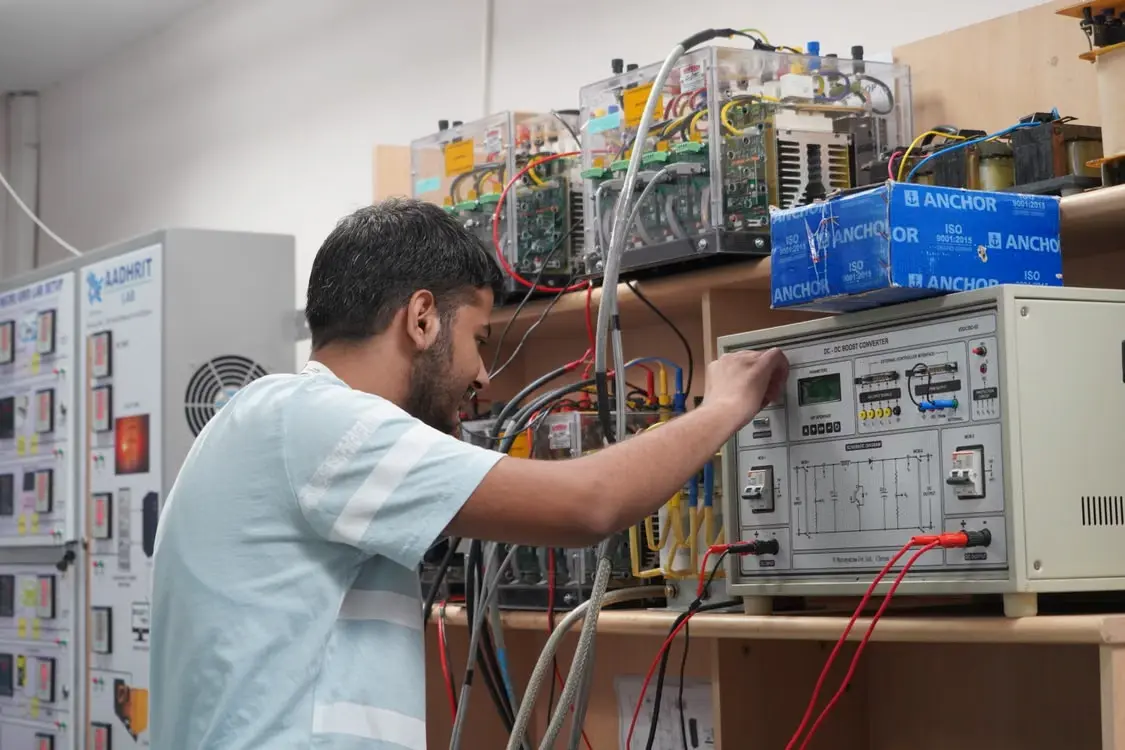
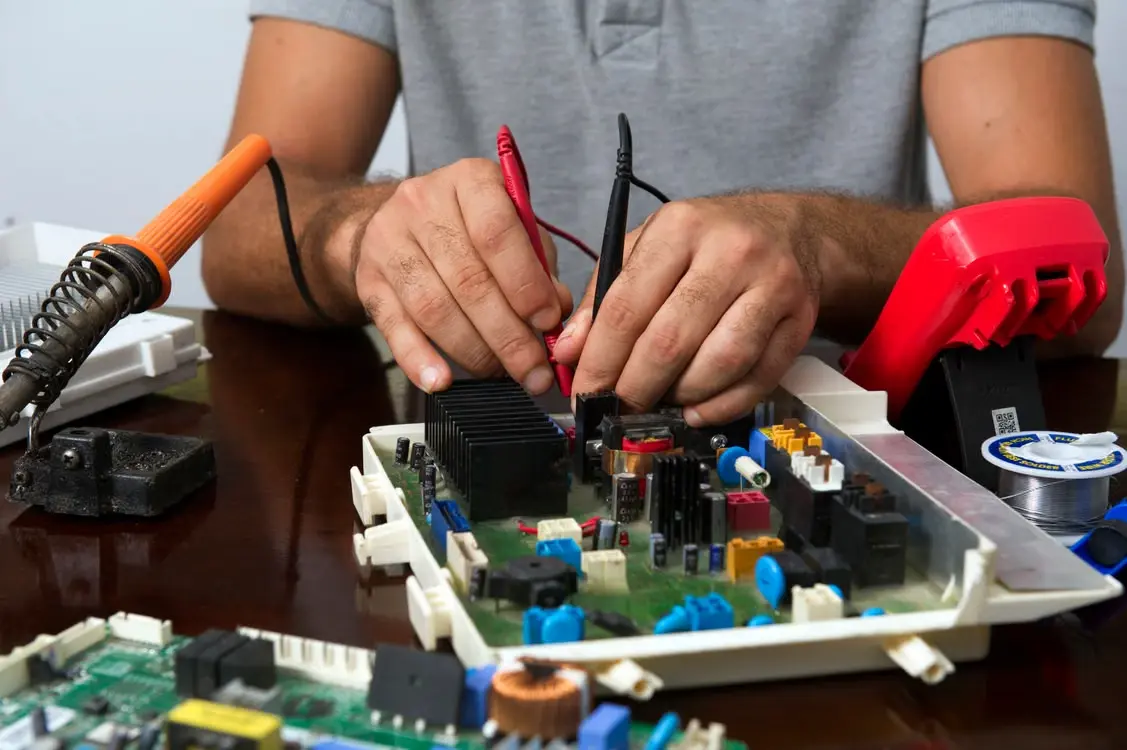
Conducting inspections. This includes visual inspection of welds, dimensional checks on fabricated components, verification of bolt torque values, and confirmation that installation sequences match approved procedures. Inspections happen at multiple stages incoming material inspection, in-process inspection, and final inspection before handover.
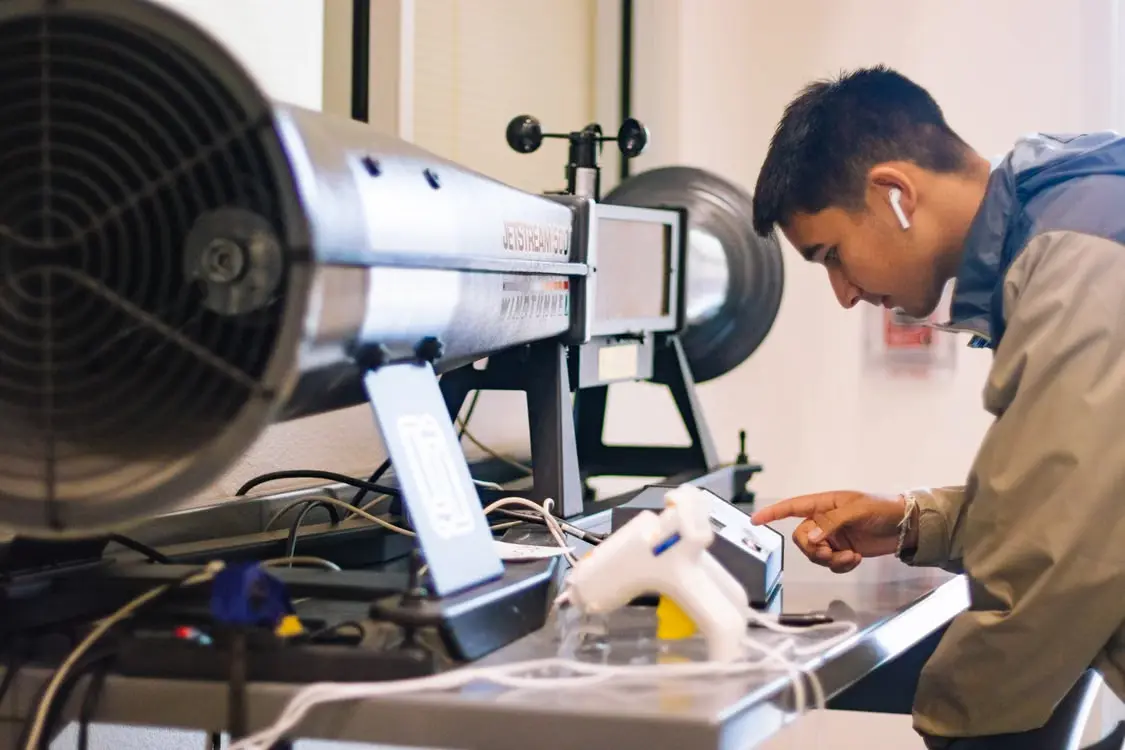
Witnessing and coordinating tests. Hydrostatic testing, pneumatic testing, and functional testing of mechanical equipment all require a QA/QC engineer’s sign-off. They coordinate with third-party inspection agencies and client representatives to ensure tests are witnessed and documented correctly.
Managing non-conformance reports (NCRs). When something doesn’t meet spec a weld defect, a dimensional deviation, an incorrect material the QA/QC engineer raises an NCR, tracks the corrective action, and verifies the fix before closing it out.
Maintaining quality documentation. Inspection and test plans (ITPs), material traceability records, calibration certificates for measuring instruments, and final quality dossiers all fall under the QA/QC engineer’s responsibility. These records often need to be handed over to the client at project completion.
Liaising with multiple stakeholders. A single day might involve coordinating with fabrication supervisors, safety officers, client inspectors, and NDT technicians, which makes communication skills just as important as technical knowledge.
Skills That Make a Strong Mechanical QA/QC Engineer
Technical grounding in mechanical engineering fundamentals is the starting point, but the strongest professionals in this field also develop:
- A working knowledge of welding processes and common weld defects
- Familiarity with international codes such as ASME Section IX, API 570, and ASME B31.3
- Comfort using measuring instruments vernier calipers, micrometers, ultrasonic thickness gauges
- Report-writing and documentation discipline, since quality dossiers are legal and contractual records
- The confidence to reject non-conforming work, even under schedule pressure
Career Scope and Progression
Mechanical QA/QC is one of the more resilient career paths in the industrial sector because every project whether in oil and gas, petrochemicals, power generation, or manufacturing requires quality oversight. Entry-level positions often start as QC Inspector or Junior QA/QC Engineer, working under the guidance of senior QA/QC staff. With experience, professionals move into roles such as Senior QA/QC Engineer, QA/QC Coordinator, and eventually QA/QC Manager, overseeing quality systems for entire projects or facilities.
The career also opens doors internationally. Gulf countries, in particular, have a constant demand for qualified QA/QC engineers on refinery, EPC, and infrastructure projects, and many professionals build a career trajectory that moves from domestic experience to overseas assignments. Certifications in welding inspection (such as CSWIP or AWS-CWI) and NDT methods further strengthen a QA/QC engineer’s employability and open access to higher-paying, more specialized roles.
Why This Career Path Is Worth Considering
For engineering graduates and diploma holders who enjoy hands-on technical work but don’t necessarily want to be behind a design desk all day, Mechanical QA/QC offers a practical, high-responsibility alternative. It combines technical rigor with real accountability the components you sign off on go into operating plants, pipelines, and equipment that people depend on for safety. That sense of tangible impact, paired with strong and stable demand across industries, is part of why the field continues to attract engineering talent.
If you’re evaluating whether this is the right career direction, it helps to build a strong foundation in inspection techniques, codes, and documentation practices before stepping into the field. A structured Mechanical QA/QC course can give you the practical exposure and industry-recognized skills employers look for, shortening the gap between classroom learning and job readiness.
Final Thoughts
The Mechanical QA/QC Engineer’s job is, in many ways, the last line of defense between a design on paper and a piece of equipment operating safely in the field. It’s a role built on precision, code knowledge, and the discipline to hold work to a standard regardless of pressure to move faster. For anyone with a mechanical engineering background looking for a career that blends technical depth with real-world responsibility, QA/QC offers both stability and room to grow from shop-floor inspections to managing quality systems for entire industrial projects.
