
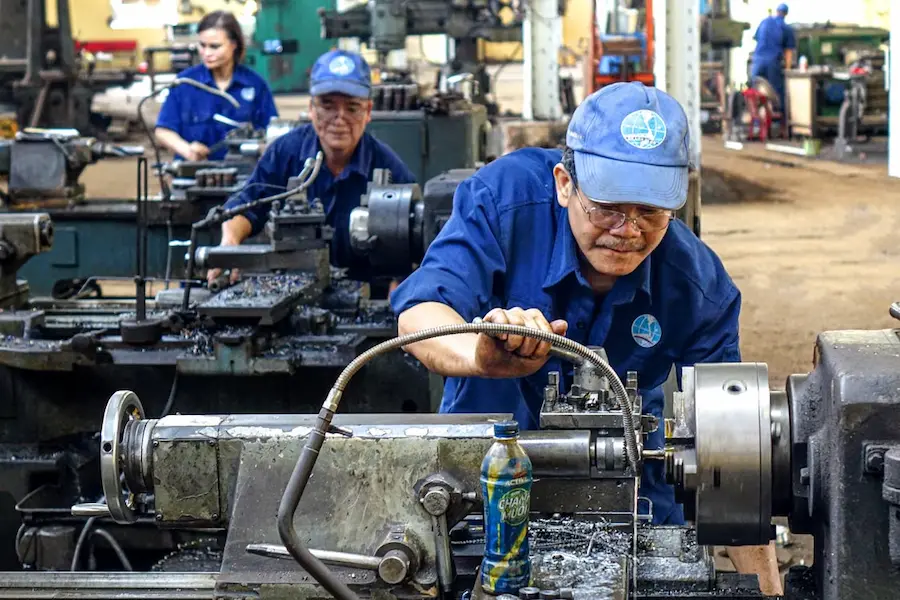
The Gulf region of Saudi Arabia, the UAE, Qatar, Oman, Kuwait, and Bahrain remains one of the largest and most consistent markets for piping engineering talent in the world. Massive investments in oil and gas infrastructure, petrochemical complexes, and downstream processing facilities mean that qualified piping engineers are in continuous demand across EPC contractors, engineering consultancies, and operating companies. But breaking into this market, or advancing within it, requires understanding exactly what Gulf employers are looking for.
Why the Gulf Remains a Piping Engineering Hub
The scale of industrial development across the Gulf is difficult to overstate. National oil companies and their EPC partners run continuous pipelines of megaprojects refinery expansions, petrochemical plants, gas processing facilities each requiring extensive piping design, fabrication, and inspection work. Unlike markets where project activity fluctuates sharply, the Gulf’s long-term investment in energy and industrial infrastructure creates sustained demand for piping professionals at every experience level, from junior designers to senior discipline leads.
This scale also means Gulf employers can be selective. With a large pool of international applicants competing for positions, candidates need more than a basic engineering degree to stand out they need demonstrable, practical skills aligned with what these projects actually require.
Core Qualifications Employers Look For
Solid grounding in relevant codes and standards. Gulf projects, particularly in oil and gas, rely heavily on American codes such as ASME B31.3 (Process Piping), ASME B31.1 (Power Piping), and API standards. Employers expect candidates to be conversant in these codes, not just aware of their existence. Familiarity with company-specific and client specifications many Gulf national oil companies maintain their own detailed engineering standards is an added advantage.
Practical drawing and layout experience. Employers consistently prioritize candidates who can demonstrate hands-on experience with P&ID interpretation, isometric drawing production, and plant layout design, ideally supported by exposure to 3D plant modeling software. Fresh graduates who can show project work, coursework, or training that involved real drawing production have a distinct edge over those with purely theoretical exposure.
Understanding of piping stress fundamentals. While dedicated stress engineers handle detailed analysis, general piping engineers are expected to understand the basics of thermal expansion, flexibility, and support design well enough to produce stress-friendly layouts and communicate effectively with stress analysis teams.
Familiarity with fabrication and construction realities. Gulf employers value candidates who understand how designs translate into actual fabrication and field installation knowledge of pipe spooling, welding processes, and construction sequencing helps engineers produce more practical, buildable designs.
Certifications and structured training. A formal piping engineering qualification from a recognized training program signals to employers that a candidate has been exposed to industry-relevant content in a structured way, rather than picking up fragments of knowledge informally. This is particularly valuable for candidates without prior Gulf project experience, since it helps bridge the credibility gap.
Soft Skills That Matter More Than Expected
Technical qualifications get candidates through the door, but Gulf project environments often large, multicultural, multi-contractor operations place real value on communication and coordination skills. Piping engineers routinely interface with process, structural, instrumentation, and construction teams, often across different companies and nationalities. The ability to communicate design intent clearly, document decisions properly, and adapt to different working styles is consistently cited by hiring managers as a differentiator between adequate and excellent piping engineers.
Adaptability also matters. Gulf projects often involve tight schedules, evolving specifications, and last-minute design changes driven by procurement or construction constraints. Engineers who can respond to these pressures without compromising code compliance or quality tend to build stronger reputations and longer careers in the region.
Entry Points and Career Progression
Most engineers enter the Gulf piping engineering market at junior to mid-level positions Piping Designer, Junior Piping Engineer, or Piping Engineer roles often through EPC contractors or engineering consultancies that service the region’s national oil companies. Progression typically follows a path from Piping Engineer to Senior Piping Engineer, Lead Piping Engineer, and eventually Piping Discipline Manager on large projects, with parallel opportunities to specialize in stress analysis, materials engineering, or piping design software administration.
For those preparing for entry-level piping engineering roles, structured industry training can help build the practical knowledge employers expect. Conztek offers specialized engineering courses that help learners develop job-oriented technical skills and gain a stronger understanding of industry practices before entering the professional workforce.
For candidates outside the Gulf looking to break in, building demonstrable skills before applying is often more effective than applying broadly and hoping experience will be overlooked. Structured training that covers codes, drawing production, and layout principles backed by practical exercises gives candidates concrete points to discuss in interviews, even without direct project experience.
Preparing Yourself for Gulf Opportunities
If you’re targeting a piping engineering career in the Gulf, the most effective preparation combines strong fundamentals with practical, industry-aligned training. Rather than relying solely on a general engineering degree, investing in focused training that covers the specific codes, drawing standards, and design practices used on Gulf projects can significantly improve your competitiveness. A well-structured piping and pipeline engineering course equips you with exactly this combination of practical drawing skills, code familiarity, and layout design exposure positioning you as a credible candidate for both domestic roles and international opportunities in the Gulf.
Final Thoughts
The Gulf’s piping engineering market remains one of the most stable and rewarding in the world, but competing for roles there requires more than a degree certificate. Employers are looking for candidates who combine solid code knowledge, practical drawing and layout skills, and the communication ability to function effectively in large, multi-disciplinary project environments. Building these skills deliberately through structured, hands-on training is the most reliable path to turning Gulf opportunities into a long-term, growing career.
