
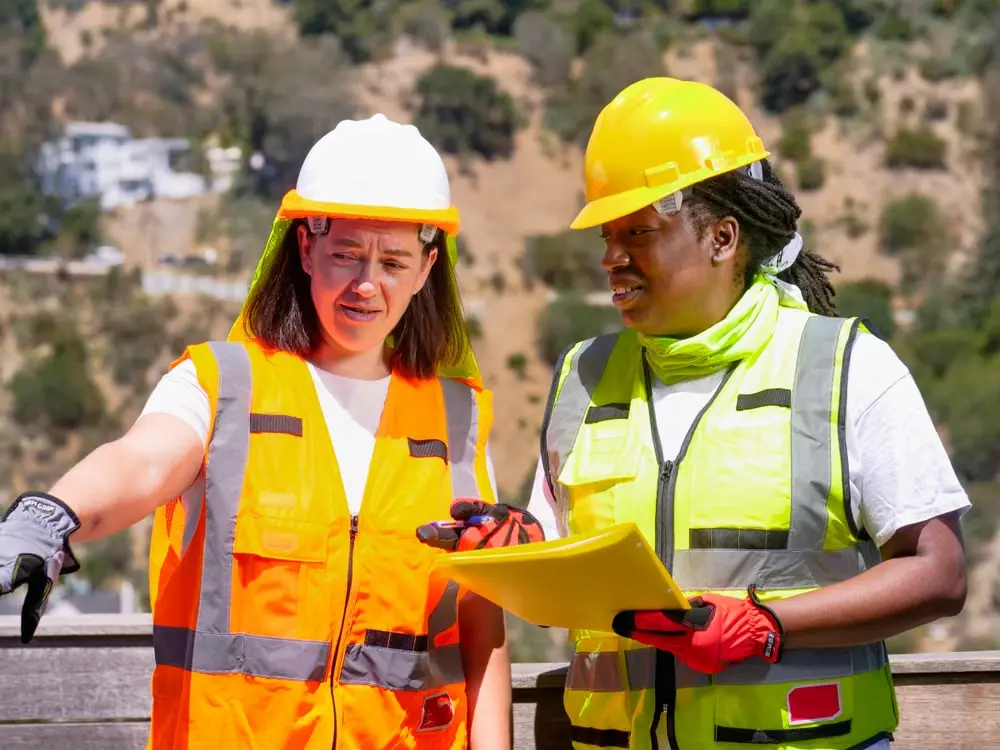
Walk onto any fabrication yard or construction site in the oil and gas or industrial manufacturing sector, and you’ll hear the term “QA/QC” used constantly often as if it describes a single job. In reality, Quality Assurance and Quality Control are two distinct disciplines that work together but serve different purposes. Understanding this distinction isn’t just academic; it shapes how professionals approach their responsibilities and how organizations build reliable, defect-free products.
Two Halves of the Same System
Quality Assurance (QA) is proactive. It focuses on the processes and systems used to design, manufacture, and inspect a product, with the goal of preventing defects before they happen. QA is about asking: are our procedures, our documentation, our training, and our workflows structured correctly so that quality is built into the process from the start?
Quality Control (QC), on the other hand, is reactive in the sense that it deals with the actual product. QC involves inspecting, measuring, and testing the finished or in-progress item to verify that it meets the required specification. If QA is about designing a system that prevents defects, QC is about catching any defects that do occur before the product moves further down the line.
Think of it this way: QA writes and maintains the Inspection and Test Plan (ITP) that defines when and how a weld should be inspected. QC is the actual visual inspection, dye penetrant test, or radiography carried out on that weld to confirm its sound.
How This Plays Out in Mechanical Engineering Projects
In a typical mechanical fabrication or piping project, the QA function includes:
- Developing and approving quality management procedures
- Preparing Inspection and Test Plans aligned with client specifications and codes
- Auditing processes to confirm they’re being followed correctly
- Managing document control, including drawing revisions and material certification systems
- Training personnel on procedures and quality standards
Meanwhile, the QC function on the same project would involve:
- Performing incoming material inspections against purchase order specifications
- Conducting in-process inspections during fabrication, such as fit-up checks before welding
- Witnessing non-destructive testing (NDT) such as ultrasonic or radiographic testing
- Verifying dimensional tolerances using calipers, gauges, and other measuring tools
- Carrying out final inspection and testing, including hydrostatic pressure tests
Both functions generate documentation, but the nature of that documentation differs. QA documentation tends to describe how something should be done. QC documentation records what was actually found during inspection measurements, test results, accept/reject decisions.
Why the Distinction Matters for Engineers
For someone building a career in mechanical QA/QC, understanding this split has practical value. Many entry-level professionals start in QC roles, developing hands-on inspection skills reading drawings, using measuring instruments, identifying weld defects, and understanding acceptance criteria from codes such as ASME Section VIII or API 650. This hands-on grounding is essential because you cannot assure quality at a system level without first understanding what “quality” looks like at the inspection level.
As professionals gain experience, many move toward QA-focused responsibilities: developing procedures, managing audits, and overseeing the overall quality management system rather than performing individual inspections. Senior QA/QC Engineers and Quality Managers typically operate across both domains, drawing on their QC background to make informed QA decisions.
It’s also worth noting that job titles in the industry don’t always reflect this cleanly. Many positions are advertised simply as “QA/QC Engineer” and expect the candidate to handle both functions, particularly in small to mid-sized fabrication companies and on construction sites where dedicated QA and QC teams aren’t always separated. This makes it valuable for engineers to build competency across both areas rather than specializing narrowly in just one.
Common Misconceptions
One frequent misunderstanding is treating QC as a lesser or purely clerical function compared to QA. In practice, QC inspectors need deep technical knowledge understanding welding processes, material properties, and code requirements to correctly judge whether something passes or fails. A poorly trained QC inspector can let critical defects through, regardless of how well-designed the QA system is.
Another misconception is assuming QA work happens only in an office. QA engineers frequently conduct site audits, review inspection records against approved ITPs, and verify that QC activities are being carried out as planned. The two functions are deeply intertwined in daily practice, even though their objectives differ.
Building Skills Across Both Domains
Conztek provides industry-focused training designed to help aspiring professionals develop practical skills for mechanical QA/QC roles. Its training approach covers the technical concepts, inspection practices, documentation, and quality procedures that professionals need to understand when working across fabrication, construction, and industrial projects. This can help learners build a stronger foundation before entering the QA/QC field.
If you’re pursuing a career in this field, the most effective approach is to build a strong technical foundation that covers both process-oriented QA thinking and hands-on QC inspection skills. This includes learning to read and interpret P&IDs and isometric drawings, understanding welding and NDT fundamentals, and becoming comfortable with the documentation systems ITPs, NCRs, material test certificates that tie the two functions together.
A structured Mechanical QA/QC course is designed to build exactly this combination of knowledge, giving you exposure to both the procedural side of quality assurance and the practical inspection techniques of quality control, so you’re prepared for whichever mix of responsibilities your first job demands.
Conclusion
QA and QC are not competing disciplines; they’re complementary halves of a single quality system. QA builds the framework that prevents defects; QC verifies, inspection by inspection, that the framework is working. For engineers entering this field, recognizing where QA ends and QC begins and building competence in both is one of the fastest ways to become genuinely effective in a mechanical QA/QC role, rather than simply holding the title.
