



Graduating with a mechanical engineering degree is a proud achievement. After years of attending lectures, completing assignments, preparing for examinations, and finishing projects, many graduates believe the most difficult phase of their journey is finally behind them. It is natural to assume that securing a job will simply be the next step.
Unfortunately, the transition from college to the workplace is not always as straightforward as expected.
Every year, thousands of engineering graduates apply for numerous job openings with high hopes. Some applications receive no response at all, while others result in interviews that never progress beyond the first round. This often leaves fresh graduates wondering what went wrong despite having strong academic records.
The answer is usually simple.
Modern industries expect much more than good grades. Employers look for candidates who possess practical knowledge, confidence, communication skills, and an understanding of real industrial environments. Academic qualifications remain important, but they are only one part of becoming employable.
Recognizing this difference early can completely change the direction of a professional career.
Academic Knowledge Alone Is Not Always Enough
Engineering colleges provide students with an excellent foundation in technical subjects. Concepts related to manufacturing, machine design, thermodynamics, engineering mechanics, and production processes form the backbone of every mechanical engineering program.
However, industries expect engineers to apply these concepts in practical situations.
Recruiters frequently ask candidates how they would solve technical problems, interpret engineering drawings, or handle real workplace situations. These questions often go beyond textbooks because companies want engineers who can contribute to ongoing projects rather than simply recall theoretical concepts.
Possessing technical knowledge is undoubtedly valuable, but applying that knowledge effectively is what truly distinguishes one candidate from another.
Applying for Every Job Is Rarely the Best Strategy
Many graduates make the mistake of applying for every mechanical engineering vacancy they come across.
Production Engineer.
Maintenance Engineer.
Quality Engineer.
Project Engineer.
Site Engineer.
Design Engineer.
While this approach may appear logical initially, it often creates confusion rather than increasing opportunities.
Each engineering role requires a different combination of technical knowledge, practical skills, and career interests. Without identifying a preferred specialization, preparing effectively for interviews becomes much more difficult.
Taking time to understand different career paths allows graduates to develop focused skills and present themselves as candidates who understand where they want to build their future.
Practical Experience Makes a Significant Difference
One of the biggest challenges fresh graduates face is the lack of practical exposure.
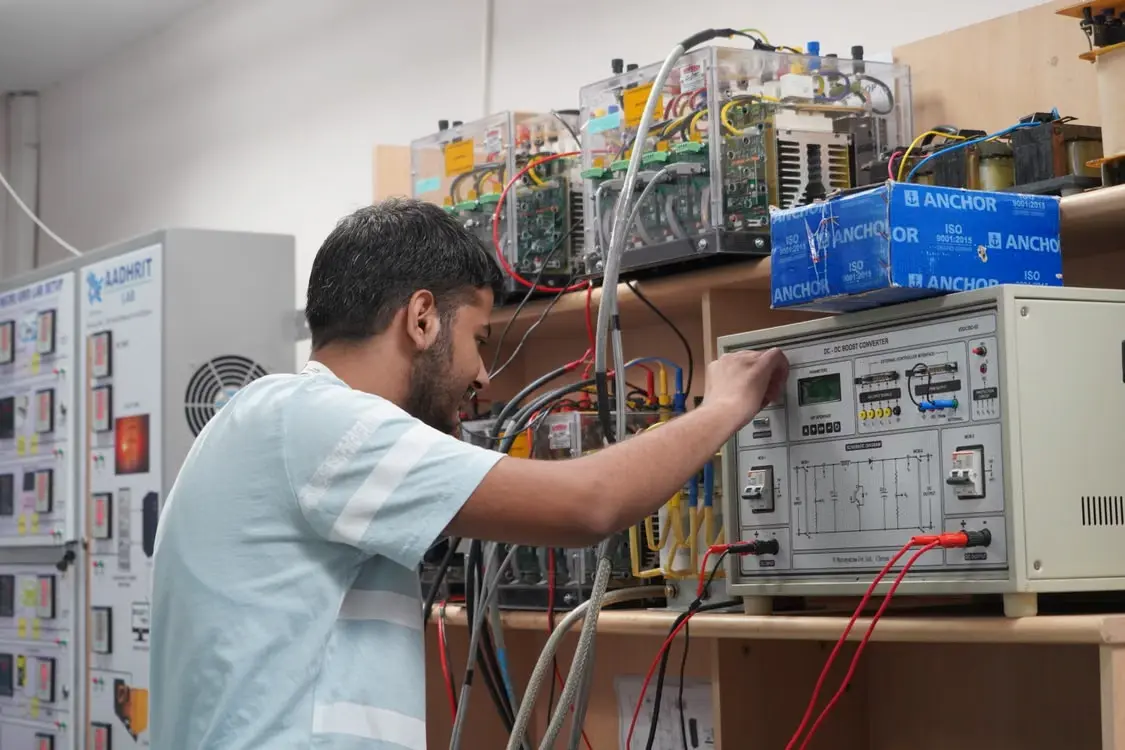
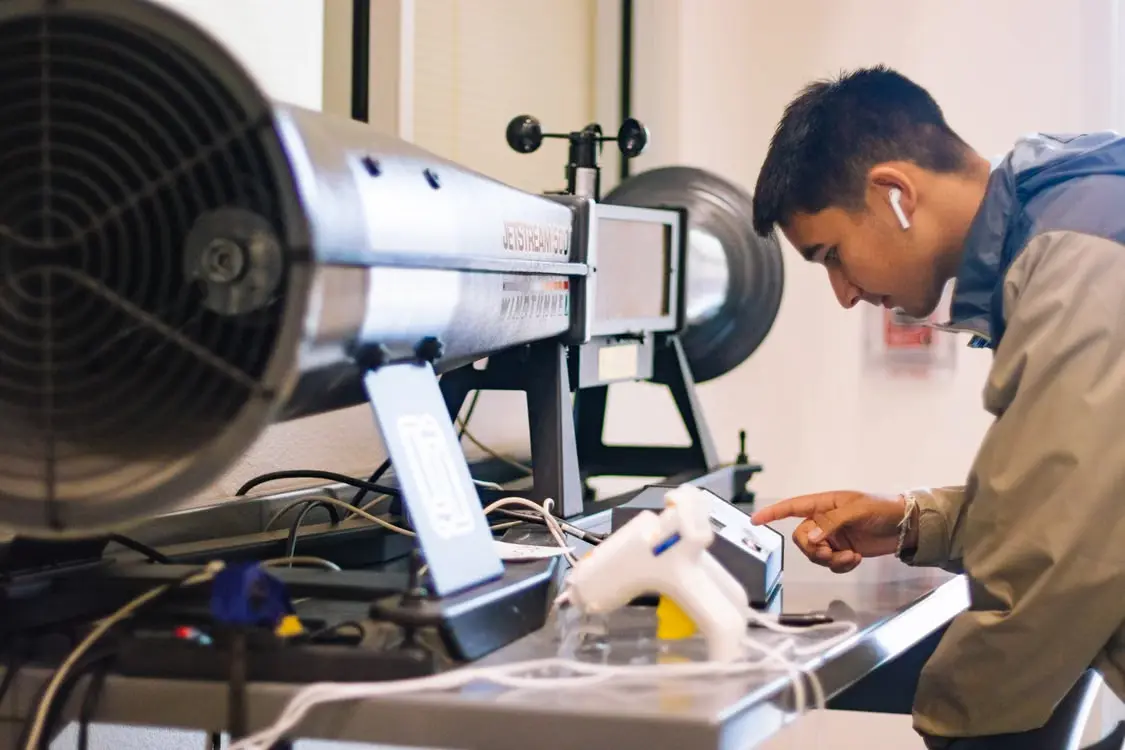
Understanding engineering concepts inside a classroom is very different from observing how industries operate every day. Manufacturing plants, fabrication facilities, construction projects, and production units require engineers to work within established quality systems, safety procedures, documentation standards, and operational guidelines.
These workplace experiences cannot always be replicated through classroom education alone.
This is one reason many graduates begin exploring opportunities offered by an Industrial Training Academy in Kochi. Such training environments allow students to observe industrial practices, understand engineering responsibilities, and gain confidence before entering the workforce.
Practical exposure helps bridge the gap between academic education and professional expectations, making graduates more comfortable when facing technical interviews and workplace responsibilities.
Interviews Test More Than Technical Knowledge
Many students prepare for interviews by revising engineering subjects, formulas, and technical definitions.
While technical preparation remains essential, employers often evaluate much more than subject knowledge.
Interviewers may ask candidates how they approach unfamiliar problems, communicate within teams, handle workplace pressure, or continue learning when faced with new challenges.
These questions help organizations understand a candidate’s attitude, adaptability, and willingness to grow.
Companies rarely expect fresh graduates to know every technical detail.
Instead, they appreciate individuals who demonstrate curiosity, professionalism, and a practical approach to solving engineering problems.
Waiting for Opportunities Is Not a Career Strategy
After graduation, many students spend months checking job portals, submitting applications, and waiting for interview calls.
Although job searching is necessary, relying entirely on applications without developing additional skills often slows career progress.
Time invested in technical webinars, engineering software, industrial documentation, communication skills, safety awareness, and practical learning can significantly improve employability.
Continuous improvement demonstrates initiative, something employers consistently value.
Graduates who continue learning while searching for jobs often perform better during interviews because they possess stronger technical awareness and greater confidence.
Discovering the Right Specialization Matters
One of the biggest misconceptions among fresh graduates is that all mechanical engineering careers follow the same path.
In reality, the field offers a wide range of specializations, each requiring a unique combination of technical knowledge and practical expertise. Opportunities exist in piping, HVAC, NDT, welding inspection, maintenance, procurement, project management, quality assurance, quality control, fabrication, and production engineering.
Although every specialization is built upon the same engineering fundamentals, the responsibilities differ considerably. Understanding these career options early allows graduates to make informed decisions and prepare themselves more effectively for the roles they genuinely wish to pursue.
Among these career paths, quality engineering has become one of the fastest-growing areas within the industrial sector.
Manufacturing companies, fabrication units, infrastructure projects, oil and gas organizations, and construction firms all depend heavily on quality assurance and quality control professionals to maintain compliance with industry standards.
For this reason, many graduates choose to pursue a Mechanical Qc Course after completing their engineering education. These programs introduce students to inspection procedures, engineering documentation, welding standards, material testing, quality management systems, and internationally accepted engineering codes. More importantly, they provide practical knowledge that helps candidates understand how quality is maintained throughout every stage of an industrial project.
As industries continue adopting stricter regulations and international standards, professionals with quality-focused expertise continue finding broader career opportunities both within India and abroad.
Comparing Career Progress Can Be Misleading
The beginning of a professional journey often feels uncertain, especially when surrounded by constant updates on social media.
Every week, there seems to be news about someone receiving a job offer, beginning a new role, or relocating for better career opportunities. For many fresh graduates, this creates unnecessary pressure and unrealistic expectations.
Career growth, however, rarely follows the same timeline for everyone.
Some individuals secure employment immediately after graduation, while others spend several months building new skills before finding the right opportunity. Neither path determines long-term success.
Comparing personal progress with someone else’s achievements often creates frustration rather than motivation.
A far more productive approach is investing time in continuous learning, strengthening technical abilities, improving communication skills, and developing greater confidence. These efforts produce lasting career benefits that extend well beyond the first job.
Engineering Is a Profession of Continuous Learning
Graduation does not mark the end of education.
Instead, it represents the beginning of professional learning.
Industrial technologies continue evolving through automation, digital manufacturing, advanced materials, artificial intelligence, and stricter quality standards. Engineers who consistently upgrade their knowledge remain better prepared for changing industry demands.
Professional development may involve technical certifications, industrial workshops, software training, engineering seminars, or specialized technical programs.
Every new skill acquired increases adaptability, making engineers more valuable to employers throughout their careers.
Continuous learning is not simply about earning additional certificates it is about remaining relevant in an industry that constantly evolves.
Learning From Industry Professionals Creates Long-Term Value
One of the greatest advantages of industry-oriented technical training is the opportunity to learn directly from experienced professionals.
Individuals who have worked on manufacturing projects, fabrication facilities, construction sites, refineries, or industrial plants bring valuable real-world insights into the classroom. Their practical experience helps students understand engineering challenges that rarely appear in academic textbooks.
This guidance provides a clearer understanding of workplace expectations, project execution, documentation practices, quality systems, and safety procedures.
For this reason, many graduates consider enrolling in an Industrial Training Institute after completing their engineering studies. Learning from professionals who have firsthand industrial experience helps bridge the gap between academic education and practical application, making the transition into professional life significantly smoother.
Beyond technical instruction, such learning environments also help students develop confidence, workplace discipline, teamwork, and problem-solving abilities-qualities that employers consistently seek during recruitment.
Early Career Mistakes Become Valuable Lessons
Every professional journey begins with challenges.
Some graduates spend months searching for opportunities before identifying the skills industries actually require. Others initially focus only on academic qualifications before realizing the importance of practical exposure. These experiences should not be viewed as failures but as valuable learning opportunities that shape future career decisions.
The engineering profession rewards individuals who continue improving themselves.
Those who actively develop practical knowledge, strengthen communication skills, understand industrial expectations, and remain open to learning generally build stronger and more sustainable careers over time.
No certification or training program can guarantee employment.
However, practical experience, specialized technical knowledge, and continuous learning significantly improve employability while preparing graduates for the realities of modern engineering workplaces.
Success in mechanical engineering is rarely determined by examination scores alone. Instead, it is built through consistent learning, practical application, professional development, and the willingness to grow with the industry. Graduates who invest in these qualities position themselves for rewarding careers that continue evolving alongside technological advancements and industrial innovation.
