


The oil and gas industry continues to be one of the world’s most important sectors, offering stable employment, attractive salaries, and international career opportunities. With the growing demand for skilled professionals in refining, petrochemicals, offshore operations, and pipeline projects, many students and working professionals are choosing specialized training programs to build successful careers.
Kochi and Ernakulam have emerged as major hubs for technical education and industrial training, making them ideal locations for aspiring oil and gas professionals. If you are considering a career in this field, knowledge activity opportunities let you choose what you need to know.
Why the Kerala Institute of Industrial Training for Oil and Gas Career Development?
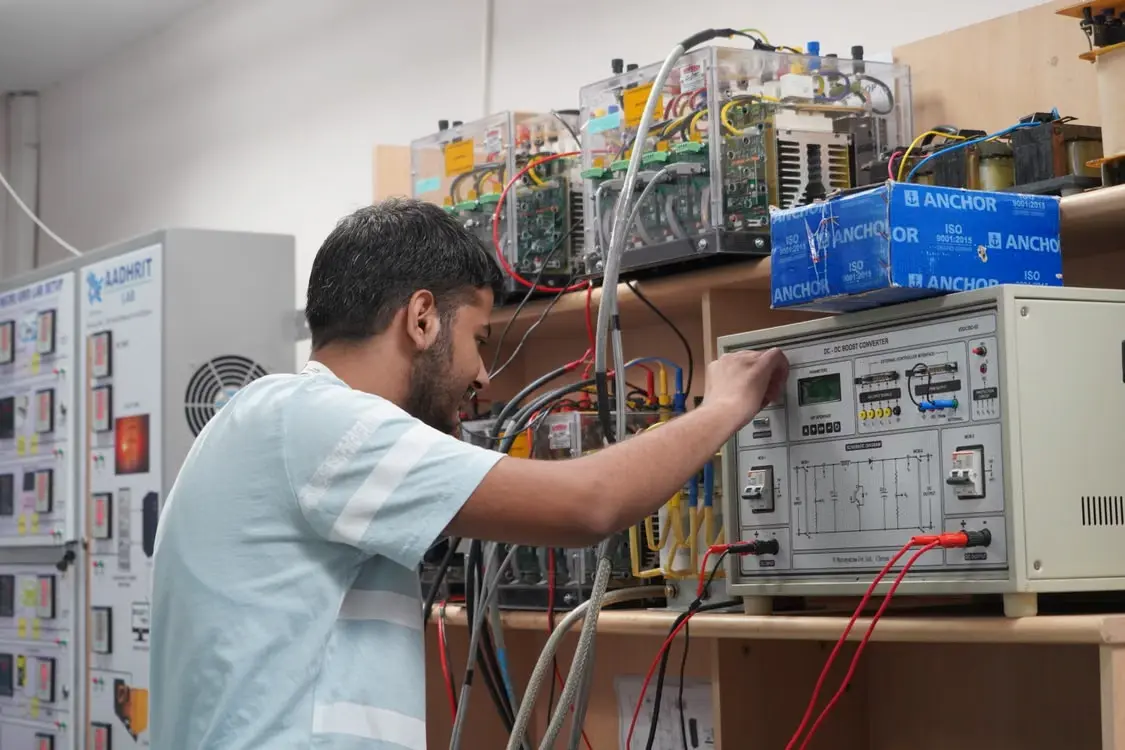
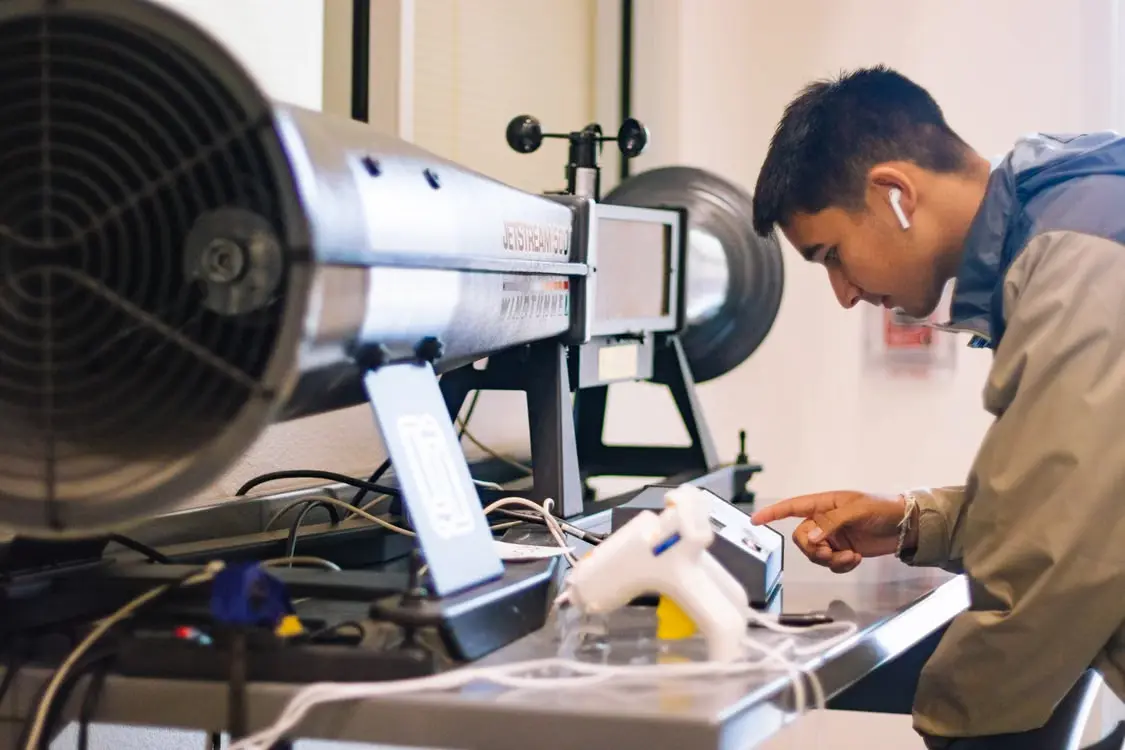
A recognized Industrial Training Institute Kerala can provide industry-oriented training that prepares students for real-world challenges. These institutes focus on practical skills, technical knowledge, and certification programs that align with current industry requirements.
Key benefits include:
- Industry-relevant curriculum
- Practical training and workshops
- Placement assistance
- Exposure to international standards
- Enhanced employability in the energy sector
The oil and gas sector requires trained professionals who understand safety regulations, engineering principles, and operational processes. Proper training significantly increases the chances of securing rewarding positions in leading companies.
Growing Demand for Oil and Gas Professionals in Kochi
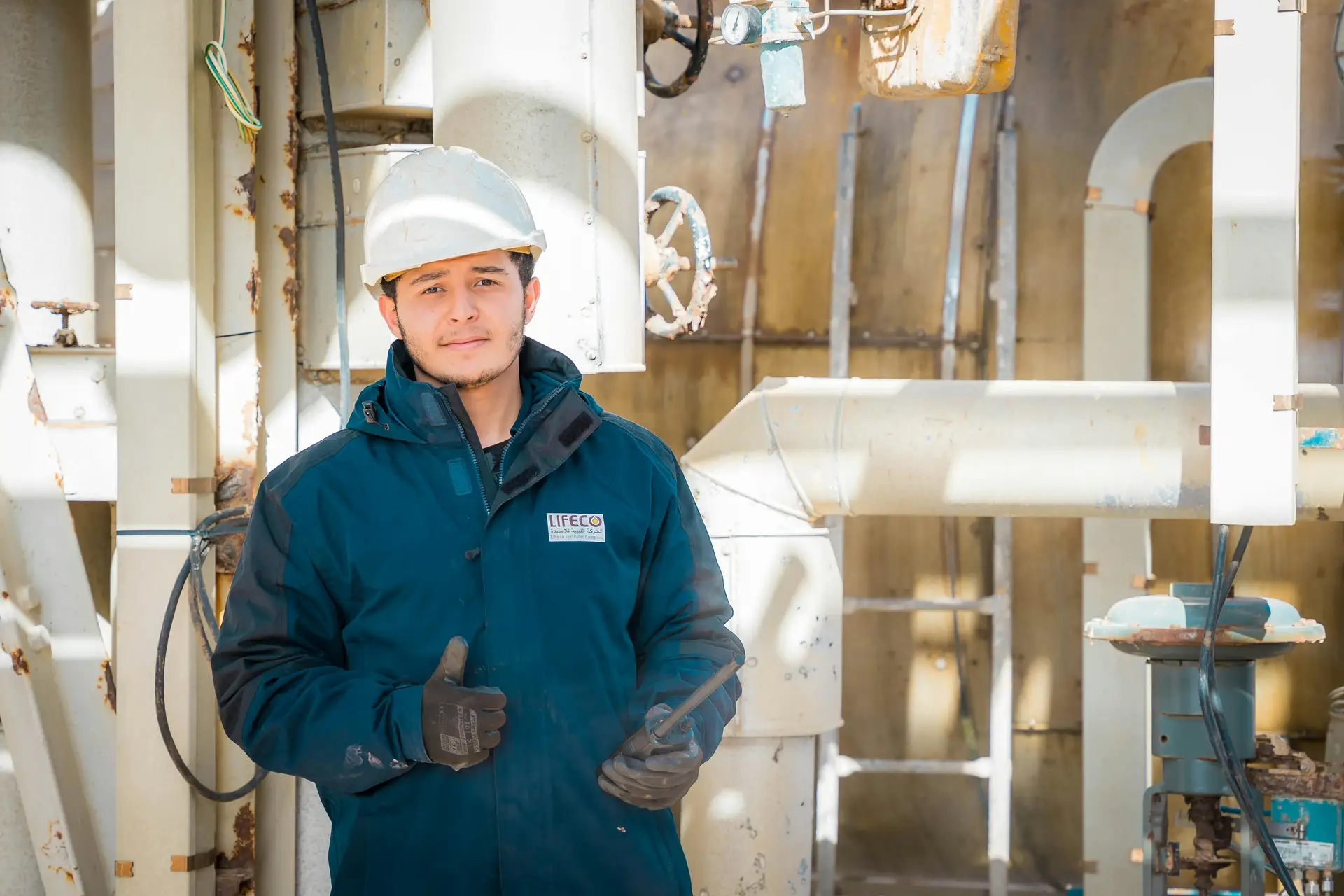
Kochi is home to major industrial facilities, refineries, petrochemical projects, and logistics operations. The city’s strategic location and industrial growth have created strong demand for skilled manpower across various oil and gas domains.
Professionals who complete specialized training programs can find opportunities in:
- Refineries
- Petrochemical plants
- Offshore platforms
- Pipeline projects
- EPC companies
- Oil field service providers
- LNG terminals
- Engineering consultancies
Top 10 Career Opportunities After Oil and Gas Training
1. Piping Design Engineer
Piping engineers play a critical role in designing systems used for transporting oil, gas, steam, and other industrial fluids.
Responsibilities include:
- Preparing piping layouts
- Equipment integration
- Stress analysis coordination
- Design documentation
This role is highly sought after in engineering and construction companies handling industrial projects.
2. Process Engineer
Process engineers focus on optimizing production operations within refineries and petrochemical plants.
Key duties:
- Process optimization
- Efficiency improvement
- Troubleshooting operational issues
- Safety compliance monitoring
Professionals in this role contribute directly to plant productivity and profitability.
3. Quality Control Inspector
Quality Control (QC) inspectors ensure that equipment, materials, and installations meet industry standards.
Skills required:
- Inspection techniques
- Documentation management
- Welding inspection knowledge
- International quality standards understanding
QC professionals are essential for maintaining project quality and safety.
4. Safety Officer
The top of safety is established in oil and gasoline operations.
Responsibilities include:
- Conducting risk assessments
- Safety audits
- Incident prevention
- Regulatory compliance
Certified safety professionals are in high demand across offshore and onshore projects.
5. NDT Technician
Non-Destructive Testing (NDT) technicians inspect equipment and structures without causing damage.
Common testing methods include:
- Ultrasonic Testing
- Radiographic Testing
- Magnetic Particle Testing
- Dye Penetrant Testing
NDT professionals play a crucial role in ensuring operational reliability.
Comparison of Popular Oil and Gas Careers
| Career Role | Skill Level | Growth Potential | Industry Demand |
| Piping Design Engineer | High | Excellent | Very High |
| Process Engineer | High | Excellent | Very High |
| Safety Officer | Medium-High | High | High |
| QC Inspector | Medium | High | High |
| NDT Technician | Medium | High | Very High |
6. Mechanical Maintenance Engineer
Mechanical maintenance engineers ensure continuous operation of industrial equipment.
Their responsibilities include:
- Equipment maintenance
- Breakdown analysis
- Preventive maintenance planning
- Reliability improvement
Many refineries and petrochemical facilities actively recruit maintenance professionals.
7. Instrumentation Engineer
Instrumentation engineers manage control systems and monitoring equipment used in industrial operations.
They work with:
- Sensors
- PLC systems
- Control valves
- Automation systems
This specialization offers excellent career progression opportunities.
8. Pipeline Engineer
Pipeline engineers oversee the design, construction, and maintenance of oil and gas transportation systems.
Their expertise helps ensure:
- Safe transportation
- Regulatory compliance
- Operational efficiency
- Environmental protection
Pipeline infrastructure projects continue to generate strong employment demand globally.
9. Offshore Technician
Offshore operations require skilled technicians to assist with mining, construction, and maintenance.
Benefits often include:
- Attractive salary packages
- International exposure
- Career advancement opportunities
- Specialized training programs
Many professionals choose offshore careers for their earning potential and global opportunities.
10. Project Coordinator
Project coordinators help manage engineering and construction initiatives from planning to crowning.
Core responsibilities include:
- Scheduling activities
- Resource coordination
- Progress monitoring
- Stakeholder communication
This role is ideal for professionals interested in project management careers.
How Oil And Gas Courses Kochi Help Students Build Industry-Ready Skills
Enrolling in Oil And Gas Courses Kochi provides students with practical knowledge that employers actively seek.
Typical training modules include:
- Piping engineering
- Process engineering
- Industrial safety
- Quality control
- Mechanical systems
- Instrumentation technology
These programs are designed to bridge the gap between academic education and industry requirements.
Career Advantages of Industry-Oriented Technical Training Programs
Choosing a reputed technical training institute can provide students with the practical skills and industry knowledge required to build a successful career. These programs are designed to bridge the gap between academic learning and real-world industry requirements.
Students can benefit from:
- Practical hands-on training through live projects
- Globally recognized certifications that enhance career prospects
- Exposure to modern engineering tools and software
- Opportunities to network with corporate professionals and experts
- Career guidance, resume-building assistance, and interview preparation
These advantages help candidates develop job-ready skills, increase their confidence, and improve employment opportunities in both Indian and international industries.
Skills Employers Look for in Oil and Gas Professionals
Technical knowledge alone is not enough. Employers also value:
Technical Skills
- Engineering fundamentals
- Safety standards knowledge
- CAD software proficiency
- Quality control practices
- Industrial documentation
Soft Skills
- Communication
- Teamwork
- Problem-solving
- Adaptability
- Leadership
Developing both technical and interpersonal skills can accelerate career growth.
Choosing the Right Training Institute in Kochi
When selecting a training provider, consider:
- Industry-relevant curriculum
- Experienced faculty
- Practical training facilities
- Placement assistance
- Industry certifications
- Student success records
A quality training program can provide the foundation needed for long-term success in the energy sector.
Why These Programs Are Becoming Popular Among Job Seekers
Rapid growth in the energy and industrial sectors has created strong demand for qualified professionals with specialized technical knowledge. Refinery projects, petrochemical developments, and international employment opportunities are encouraging more candidates to pursue industry-focused training.
These programs help learners:
- Build practical industry skills
- Enhance employability
- Qualify for higher-paying roles
- Explore overseas career opportunities
- Stay competitive in a growing job market
With continued investments in global energy infrastructure, trained professionals are expected to remain essential across various segments of the oil and gas industry.
Conclusion
The oil and gas industry offers diverse career paths for individuals seeking technical, operational, and management roles. From piping design and process engineering to safety management and offshore operations, there are numerous opportunities for skilled professionals.
For students and professionals in Kochi and Ernakulam, specialized training programs can provide the practical knowledge and industry exposure needed to enter this competitive field. Choosing the right training institute and developing industry-relevant skills can open doors to rewarding careers both in India and abroad.
