
Anyone exploring a career in Non-Destructive Testing quickly runs into an alphabet of acronyms UT, RT, MT, PT each representing a distinct inspection method with its own equipment, applications, and learning curve. For someone deciding where to focus their training, understanding how these methods differ is the first step toward making a smart career decision.
A Quick Overview of Each Method
Ultrasonic Testing (UT) uses high-frequency sound waves transmitted into a material to detect internal flaws such as cracks, voids, laminations, and lack of fusion in welds. A transducer sends sound waves through the material, and any internal discontinuity reflects sound back differently than the surrounding material, which appears as a distinct signal on the display. UT is also widely used for precise thickness measurement, making it valuable for corrosion monitoring in pipelines and pressure vessels.
Radiographic Testing (RT) uses X-rays or gamma rays to pass through a component and expose a film or digital detector on the opposite side, producing an image similar to a medical X-ray. Internal defects like porosity, slag inclusions, and lack of penetration in welds show up as density variations on the resulting radiograph. RT provides a permanent visual record of the internal structure, which is often required for critical weld documentation.
Magnetic Particle Testing (MT) detects surface and near-surface defects in ferromagnetic materials (like carbon steel) by inducing a magnetic field into the component and applying fine magnetic particles. Where a surface or near-surface defect disrupts the magnetic field, the particles cluster visibly, revealing the flaw’s location and shape.
Liquid Penetrant Testing (PT) identifies surface-breaking defects in both magnetic and non-magnetic materials. A liquid penetrant is applied to the surface, allowed to seep into any surface discontinuities, and then excess penetrant is removed before a developer draws the trapped penetrant back out, making even fine surface cracks visible.
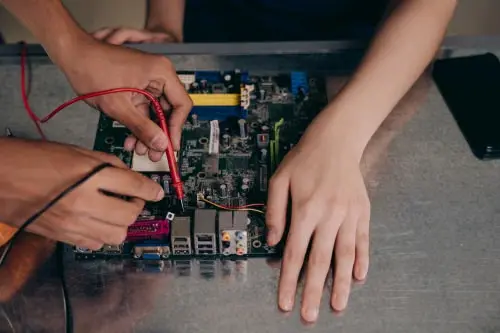
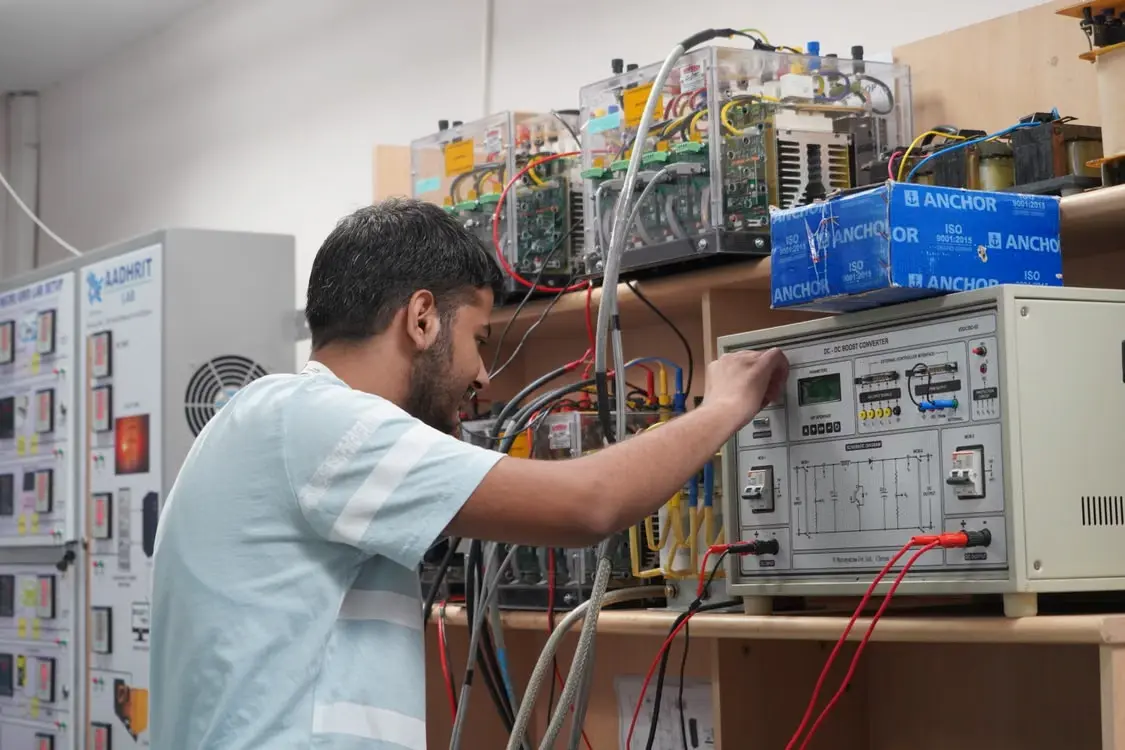
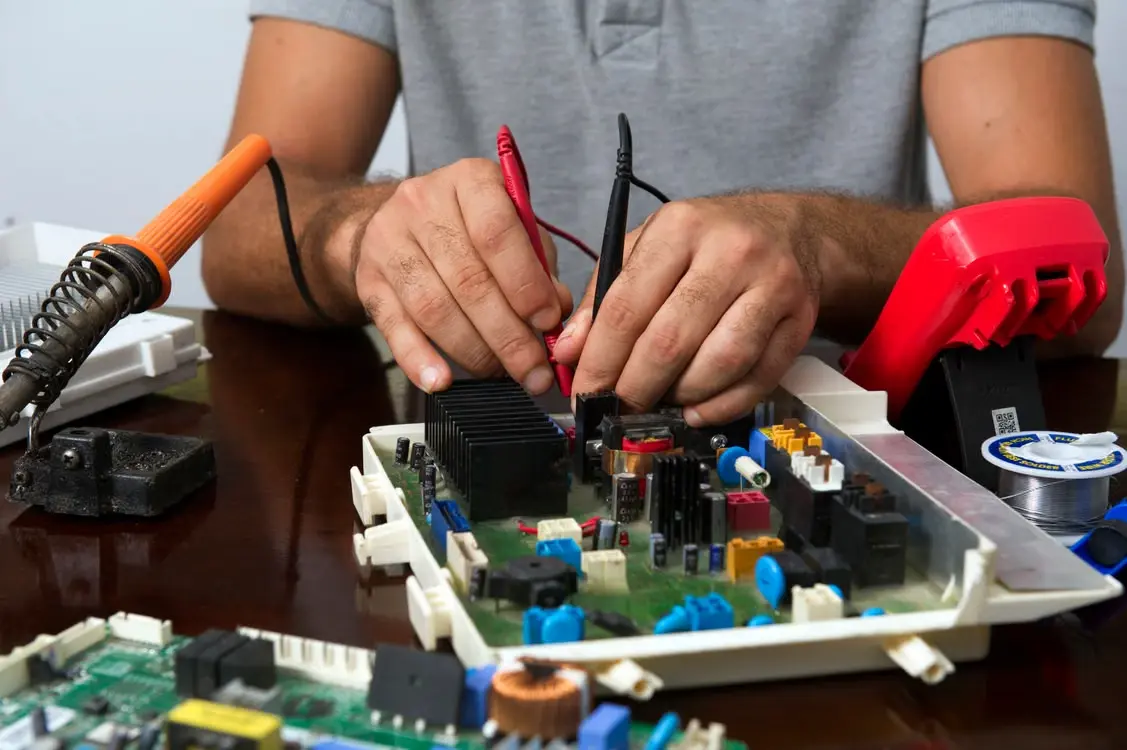
For professionals deciding which NDT method to pursue, practical exposure can make the learning process much more effective. Conztek offers industry-focused training that helps learners develop hands-on knowledge of NDT techniques and understand how different inspection methods are applied in real engineering and industrial environments.
Comparing Complexity and Learning Curve
PT is generally considered the most accessible method to learn, since the procedure is relatively straightforward and doesn’t require complex equipment making it a common starting point for those new to NDT. MT is similarly approachable, though it requires understanding magnetic field theory and proper technique for applying and interpreting magnetic particle indications.
UT and RT both require significantly more technical depth. UT demands a solid understanding of sound wave physics, equipment calibration, and critically interpretive skill, since reading and correctly interpreting a UT signal display takes considerably more practice than reading a visible surface indication. RT requires understanding radiation safety protocols (since it involves ionizing radiation), film or digital image interpretation, and exposure technique calculations. Because RT involves radiation hazards, additional safety certification and regulatory compliance are typically required alongside technical competency.
Comparing Applications and Industry Demand
Each method suits different inspection scenarios, and most working NDT professionals eventually become proficient in more than one:
- UT is heavily used for weld inspection on thick-walled pressure vessels and piping, as well as for thickness measurement in corrosion monitoring programs making it extremely valuable in oil, gas, and petrochemical industries where asset integrity monitoring is ongoing.
- RT remains a preferred method for critical weld inspection, particularly on pipeline girth welds and pressure vessel welds, where a permanent visual record is required for code compliance and client documentation.
- MT is widely used during fabrication for surface inspection of welds and components made from ferromagnetic materials, offering a fast, cost-effective way to catch surface defects before more expensive volumetric testing is applied.
- PT is versatile across both magnetic and non-magnetic materials and is commonly used for finished component inspection, particularly on stainless steel and non-ferrous alloys where MT isn’t applicable.
Which Method Should You Learn First?
If you’re new to NDT, starting with PT and MT provides a solid foundation in inspection discipline, defect recognition, and reporting practices, without the steep technical learning curve of UT or RT. These methods also give you practical, marketable skills relatively quickly, since basic certification timelines tend to be shorter.
However, if your career goal is to maximize long-term earning potential and job opportunities, UT is arguably the single most valuable method to prioritize, given its heavy use in thickness monitoring and weld inspection across oil, gas, and petrochemical industries sectors with consistently strong demand for qualified UT technicians. RT offers similarly strong opportunities but comes with the added complexity of radiation safety requirements, which some technicians find worth the investment given RT’s critical role in pipeline and pressure vessel weld certification.
Many successful NDT professionals don’t stop at a single method. Building multi-method competency for example, PT and MT early on, followed by UT and eventually RT significantly broadens your employability, since inspection projects often require technicians certified in multiple methods to reduce the need for separate specialists on-site.
Making Your Decision
The right starting point depends on your career timeline and goals. If you want to enter the workforce quickly with foundational skills, begin with PT and MT. If you’re planning a longer-term career trajectory focused on maximizing opportunities in oil, gas, and heavy industry, prioritize building toward UT and RT competency, even if it takes additional training time upfront.
Regardless of which method you start with, structured, hands-on training with real equipment is essential NDT is fundamentally a practical, judgment-based skill that can’t be learned from theory alone. A comprehensive Non-destructive test (NDT) course that covers multiple methods gives you the flexibility to build a well-rounded skill set and make an informed decision about specialization based on genuine hands-on exposure, rather than guesswork.
Final Thoughts
UT, RT, MT, and PT each serve distinct purposes within the broader field of Non-Destructive Testing, and no single method is universally “best” ; the right choice depends on your career goals, appetite for technical complexity, and the industries you want to work in. Building competency across multiple methods, starting with a solid foundation in the fundamentals, remains the most reliable path to a versatile and long-lasting NDT career.
